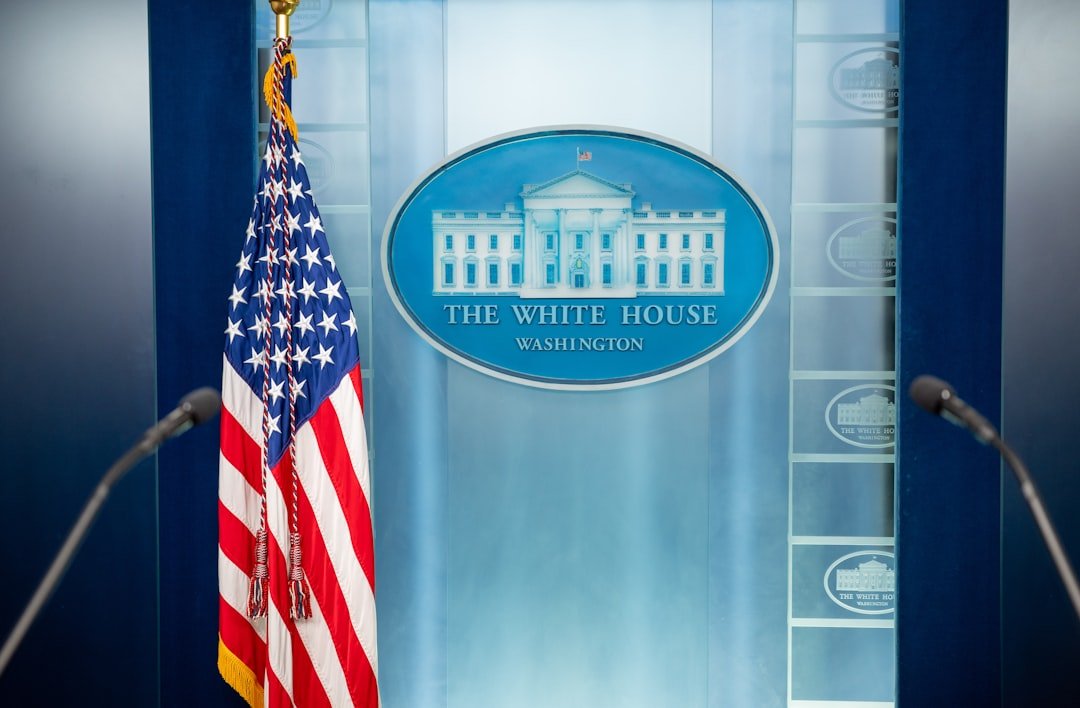
The departure of a high-profile White House official is rarely just about the individual; it is a signal of shifting internal dynamics and a recalibration of the administration’s public-facing identity. When President Donald Trump announced via Truth Social on Wednesday, August 12, 2026, that Karoline Leavitt would be stepping down as White House Press Secretary at the end of the month, the official explanation provided—a desire to spend more time with family—served as the standard, graceful exit narrative. However, for those of us who have spent over a decade tracking the mechanics of power in Washington, the exit of a fiercely loyalist spokesperson during the mid-point of a presidency suggests a much deeper evolution in how the White House intends to wage its information war.
The End of the Leavitt Era
Karoline Leavitt has been more than a mere spokesperson; she has been a central pillar of the President’s media strategy since her transition from his presidential campaign to the West Wing. In an era where the traditional boundaries between political campaigning and official government communication have become increasingly porous, Leavitt acted as a primary bridge. She was tasked with translating the President’s populist rhetoric into the formalized language of the White House briefing room, often acting as a lightning rod for media scrutiny to shield the President from direct confrontation.
Her tenure has been defined by a high-intensity, high-frequency communication style that mirrors the President’s own direct-to-consumer approach. Unlike the more traditional, institutionalist press secretaries of previous administrations who focused on procedural clarity and departmental updates, Leavitt’s briefings were often characterized by a combative stance toward mainstream media outlets. This approach was not accidental; it was a deliberate mechanism designed to consolidate the administration’s base and bypass traditional media gatekeepers, a strategy that has become a hallmark of the Trump presidency.
Why the Timing Matters
The timing of this departure—August 2026—is critical. We are entering a period where the administration’s legislative agenda is expected to move from the rhetorical phase into a heavy implementation and enforcement phase. As the administration moves deeper into its second year, the nature of the information required by the press changes. The focus shifts from campaign-style messaging to the technical, often dense, details of executive orders, regulatory rollbacks, and judicial appointments. Leavitt, a master of the political narrative, may find that the requirements of a technocratic press secretary are fundamentally at odds with her strengths as a political communicator.
Furthermore, the vacancy in the press office creates a strategic vacuum at a moment when the administration is navigating complex geopolitical tensions and domestic policy shifts. The choice of a successor will reveal much about the President’s priorities for the remainder of his term. If the administration appoints a more traditional, policy-oriented official, it suggests a move toward institutional normalization. If they appoint another high-energy political operative, it confirms that the administration views the press briefing room primarily as a battlefield for cultural and political dominance rather than a forum for institutional transparency.
There is also the institutional factor of ‘burnout’ to consider, which, while often used as a polite euphemism, carries significant weight in the high-pressure environment of the White House. The role of Press Secretary under President Trump has been uniquely taxing, requiring not just the ability to handle difficult questions, but the stamina to withstand a 24/7 cycle of intense, often adversarial, scrutiny. Leavitt’s departure may simply be the result of the sheer velocity of the Trump administration’s communication cycle, which operates at a pace that few in Washington history have attempted to sustain.
Historical Precedents and Institutional Shifts
Historically, the role of the Press Secretary has undergone a metamorphosis. In the mid-20th century, the role was characterized by the ‘gentlemanly’ era of press relations, exemplified by officials who prioritized the flow of information to the press corps to ensure government stability. This changed during the Nixon era with the rise of more sophisticated media management, and further evolved during the Reagan and Bush years into a more strategic, highly coordinated operation.
The Trump administration has pushed this evolution to its logical extreme by integrating social media dominance directly into the official White House function. Leavitt’s role was essentially a hybrid: she was part diplomat, part combatant, and part digital strategist. This departure marks a potential pivot point back toward a more traditional, yet still highly aggressive, bureaucratic model, or perhaps an even further departure into a model where the formal press briefing becomes secondary to decentralized, digital-first communication strategies that bypass the White House press corps entirely.
What to Watch Next
As we look toward the end of August, three key indicators will emerge. First, watch the identity of the successor. The candidate chosen will indicate whether the administration intends to double down on the ‘war on the media’ or if they are seeking to stabilize their relationship with the institutional press to facilitate more complex policy implementation. A move toward a more traditional background would signal a pivot toward policy-heavy governance.
Second, observe the frequency and tone of the briefings. If the White House moves toward more scripted, less interactive briefings, it suggests a desire to minimize unpredictability and control the narrative more tightly. Third, monitor the President’s own communication channels. If the frequency of Truth Social posts increases while the formal briefings become less frequent, it would indicate that the administration is moving toward a permanent ‘campaign-style’ mode of governance, where the formal structures of the White House are increasingly sidelined in favor of direct, unmediated communication.
The Strategic Pivot
Ultimately, Karoline Leavitt’s departure is a bellwether for the broader evolution of the Trump administration. We are seeing the transition from a movement-based communication style to a governance-based communication style. Whether the administration can successfully navigate this transition without losing its core communicative potency remains the defining question for the remainder of the term.
Key Takeaway
Leavitt’s exit represents more than a personnel change; it signifies a potential strategic pivot from the high-octane, personality-driven messaging of the campaign-to-White-House transition toward a more structured, policy-focused communication apparatus as the administration enters a critical phase of governance and implementation.