The relentless deluge that has battered Indiana for days has turned streets into rivers and claimed at least seven lives, underscoring how quickly extreme weather can become a lethal crisis.
What Happened
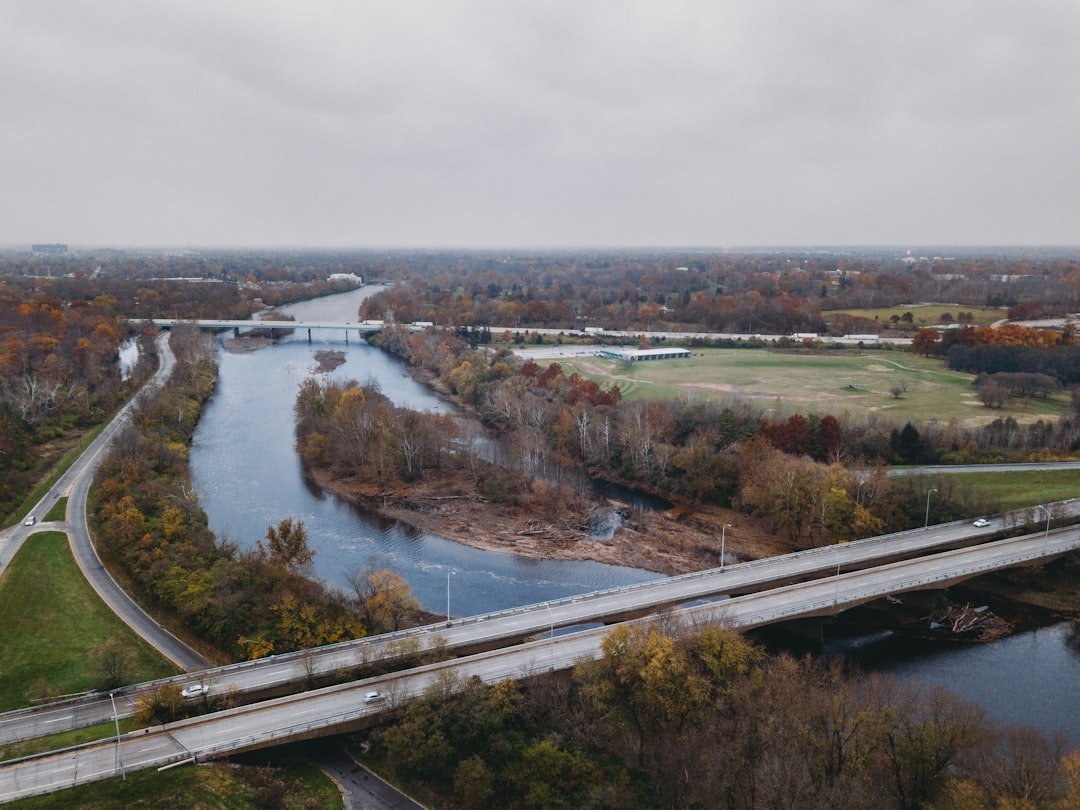
At least seven people have died from days of heavy rain and record‑setting flooding in Indiana, with five of those fatalities occurring in floodwaters across the state this week, according to the Indiana Department of Health. The worst‑hit area has been the White River corridor in Indianapolis, where neighborhoods along the river experienced rising waters that forced first responders to conduct multiple rescue operations on Saturday.
Heavy precipitation persisted from Thursday through Saturday, saturating soil and overwhelming drainage systems. The National Weather Service issued flash‑flood warnings for the Indianapolis metro area, and officials reported that the river reached historic levels, prompting the evacuation of several low‑lying communities. Emergency crews, including the Indianapolis Fire Department and state police, worked through the night to pull stranded residents from submerged homes, while the state’s Emergency Management Agency coordinated boat teams and helicopter support.
The flooding forced the closure of Interstate 65 near downtown Indianapolis for several hours, disrupting commuter traffic and delaying emergency vehicle response times. In addition, the Indiana Department of Transportation reported that at least 12 bridges across the state were inspected for structural damage, with two deemed unsafe and subsequently closed. The National Weather Service recorded 7.2 inches of rain in Indianapolis over the three‑day span, the highest daily total for the month of August in the city’s history, as a slow‑moving frontal boundary lingered over the region, dumping moisture that saturated soils already primed from earlier rains, creating conditions ripe for flash flooding.
Why It Matters
First, the incident exposes gaps in the federal disaster response framework. Although President Donald Trump has emphasized a “rapid‑response” approach, the speed at which state and local agencies must act to save lives often outpaces the deployment of FEMA resources, which traditionally require a formal disaster declaration before full assistance is unlocked. The delay in activating federal aid can exacerbate casualties, especially in densely populated urban zones like Indianapolis where the White River’s rise was sudden and severe.
Second, the flood underscores the growing strain on state emergency management budgets. Indiana’s Emergency Management Agency has reported a 15 % increase in disaster-related expenditures over the past three years, driven by more frequent severe weather events. The cumulative cost of recent storms, combined with the need for additional personnel, equipment, and infrastructure repairs, raises questions about the sustainability of current funding levels, particularly as Congress debates the 2026 budget.
The Trump administration’s 2025 budget proposal reduced FEMA’s Pre‑Disaster Mitigation grant funding by 12 %, a move that has drawn criticism from bipartisan lawmakers who argue that such cuts could leave states less prepared for events like the Indiana floods. Insurance industry analysts estimate that the combined property losses from the Indiana floods could exceed $250 million, a figure that could push the National Flood Insurance Program’s deficit deeper into the red, especially if additional claims arise from the lingering inundation.
Third, the tragedy carries political ramifications. With President Trump facing a midterm election cycle in 2026, the administration’s handling of the Indiana floods will be scrutinized by both critics and supporters. The ability to swiftly mobilize federal assistance and to demonstrate effective coordination with state leaders will influence public perception of the administration’s competence in managing natural disasters, a key metric for voter confidence.
Finally, the event highlights the broader implications for climate adaptation policy. As extreme precipitation becomes more common across the Midwest, states like Indiana must consider long‑term investments in flood control infrastructure, such as upgraded levees, storm‑water management systems, and land‑use planning reforms. The federal government’s role in financing these projects through the National Flood Insurance Program and disaster mitigation grants will be pivotal.
Historical Context
Indiana’s experience echoes the 1993 Midwest floods, which devastated the Mississippi River basin and prompted the passage of the Robert T. Stafford Disaster Relief and Emergency Assistance Act, expanding FEMA’s authority to provide public assistance. The 1937 Mississippi River flood, which inundated parts of Indiana and neighboring states and resulted in more than 1,000 deaths, also spurred the creation of the modern flood insurance program, underscoring the long‑term economic and human toll of extreme flooding. More recently, the 2008 Midwest flooding caused an estimated $6 billion in damage and led to the Flood Insurance Reform Act of 2009, illustrating how repeated disasters drive legislative change.
These precedents suggest that the current response in Indiana, while commendable in its local execution, may be limited by the same structural constraints that have hampered past disasters. The Trump administration’s 2025 executive order to streamline FEMA’s disaster declaration process, for example, aims to cut the time between a state request and federal aid, but its effectiveness remains to be seen in real‑time crises like the White River surge.
What to Watch
Analysts will monitor whether Indiana’s governor formally requests a major disaster declaration, which would trigger FEMA’s Public Assistance Program and potentially unlock additional federal funding for recovery efforts. The timing of that request, and the speed of the President’s response, will be closely watched by congressional oversight committees, especially those focused on homeland security and appropriations.
Congressional committees on homeland security are scheduled to hold hearings next month on the adequacy of FEMA’s disaster response framework, with Indiana’s governor slated to testify on the state’s needs. If Indiana’s request is submitted by Monday, FEMA could issue a major disaster declaration within 48 hours, a timeline that would allow rapid deployment of rescue teams and medical supplies, but the agency’s current staffing shortages may delay the process.
Key Takeaway
The Indiana floods serve as a stark reminder that America’s disaster response system, even under a President focused on swift action, remains vulnerable to the accelerating pace of extreme weather, demanding both faster federal coordination and sustained investment in climate‑resilient infrastructure.