The United States and Iran are locked in a shadow conflict over the Strait of Hormuz that has evolved from targeted military strikes into a full-scale tanker war, with both powers weaponizing commercial shipping lanes to exert economic pressure and project force. What began as a response to the February 28 US-Israeli attacks has metastasized into a campaign that disrupts roughly 20 percent of global oil supplies daily, raising the specter of a wider conflagration that could engulf global energy markets and draw in regional powers.
What Happened
The most recent escalation came after CENTCOM commander Admiral Brad Cooper issued a stark warning: “If you shoot at two of our ships, we will impose an even higher economic cost — taking out three of yours.” Iran’s Islamic Revolutionary Guard Corps (IRGC) responded by launching “several ballistic missiles” at an American aircraft carrier and destroyer, targets that defence analyst Wolfgang Pusztai described as “the backbone of the American campaign against Iran.” On Sunday, Iran claimed it struck an unmanned US vessel attempting to enter the Strait, while simultaneously targeting three oil tankers on what it deemed an “unauthorised route” and three US-linked vessels elsewhere in the Gulf.
The IRGC navy issued a sweeping warning to all vessels transiting the Gulf or Strait of Hormuz, declaring that no ship should be “deceived” by US military operations and cautioning against “any suspicious movement aimed at transiting unauthorised waterways” under threat of being targeted. This language effectively establishes a maritime exclusion zone enforced by ballistic missile capability — a dramatic escalation from the naval posturing that characterized earlier phases of the conflict.
Why It Matters
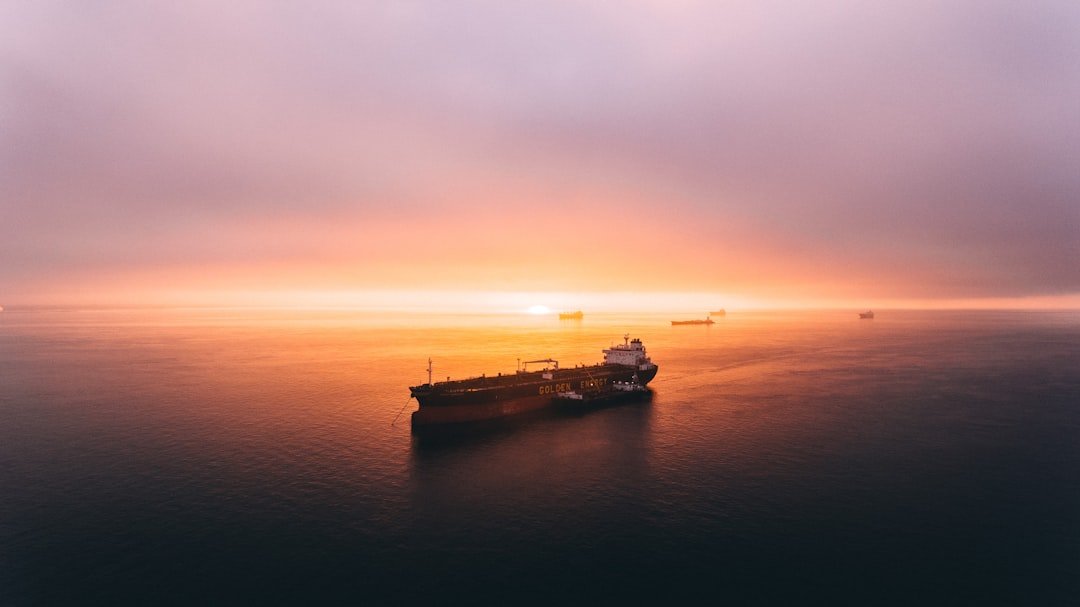
The tanker war transforms a bilateral military confrontation into a global economic crisis. Before the conflict began, approximately 20 million barrels of oil flowed through the Strait daily; any sustained disruption would trigger immediate price spikes at the pump and ripple through manufacturing, transportation, and agricultural supply chains worldwide. The Strait handles roughly one-fifth of all global oil trade and a significant portion of liquefied natural gas shipments, making it arguably the most strategically critical chokepoint in the global energy system.
Washington’s justification for striking Iranian tankers — that they form part of a “multibillion-dollar shadow network financing the IRGC and its regional allies” — reveals the financial dimension of this conflict. Iran has relied on a shadow fleet to circumvent sanctions and sell oil, a revenue stream that has grown more vital since the US began blockading Iranian ports in April. By targeting these vessels, the US is attempting to sever the IRGC’s funding pipeline, but the tactic also risks ensnaring neutral commercial shipping and creating legal ambiguities about the rules of engagement in international waters.
The IRGC’s targeting of an American aircraft carrier and destroyer marks a significant escalation in risk calculus. Pusztai’s characterization of these strikes as targeting “the backbone” of US naval operations underscores how close the conflict edges toward direct state-on-state warfare. When a non-state military force like the IRGC takes aim at nuclear-capable warships, the potential for miscalculation — or deliberate escalation — increases dramatically.
Historical Context
This conflict echoes the original Tanker War of the 1980s, when Iran and Iraq targeted each other’s shipping during their brutal conflict, drawing in US naval forces under Operation Earnest Will. The current situation shares that conflict’s dangerous ambiguity — attacks on commercial vessels blur the lines between military and economic warfare, making proportionate response difficult and diplomatic de-escalation elusive. However, today’s context is more volatile: a multipolar energy market, heightened great-power competition, and a US administration that has shown willingness to use overwhelming force in response to provocations.
The legal framework governing these actions remains contested. The US argues it is enforcing sanctions and protecting maritime commerce; Iran claims it is defending its sovereign waters against a blockade. Neither position fully aligns with the United Nations Convention on the Law of the Sea, which guarantees transit passage through straits used for international navigation — a provision both nations have ratified. This legal grey zone emboldens both sides to operate in gray-zone tactics that stop just short of outright war.
What to Watch
Three developments will signal whether this conflict stabilizes or spirals. First, whether third-party nations — particularly China, India, and European powers — begin escorting their tankers through the Strait, which would transform a bilateral conflict into an international naval operation. Second, the response of OPEC and Gulf Cooperation Council states, who face direct economic damage from any sustained disruption. Third, whether diplomatic backchannels, potentially facilitated by Oman or Qatar, can establish rules of engagement before a miscalculated strike triggers uncontrollable escalation.
Watch also for the IRGC’s shadow fleet adaptation. As the US targets identifiable tankers, Iran will likely resort to ship-to-ship transfers, flag-of-convenience registrations, and dark fleet operations that make attribution harder and escalation less predictable. This cat-and-mouse dynamic historically leads to incidents that neither side intends but both must respond to.
Key Takeaway
The US-Iran tanker war represents a dangerous fusion of economic warfare and military confrontation in the world’s most critical energy chokepoint, where the lines between sanction enforcement, maritime security, and acts of war have collapsed — and where a single miscalculated strike on a commercial vessel could trigger a regional conflict with global economic consequences.