Strategic Context
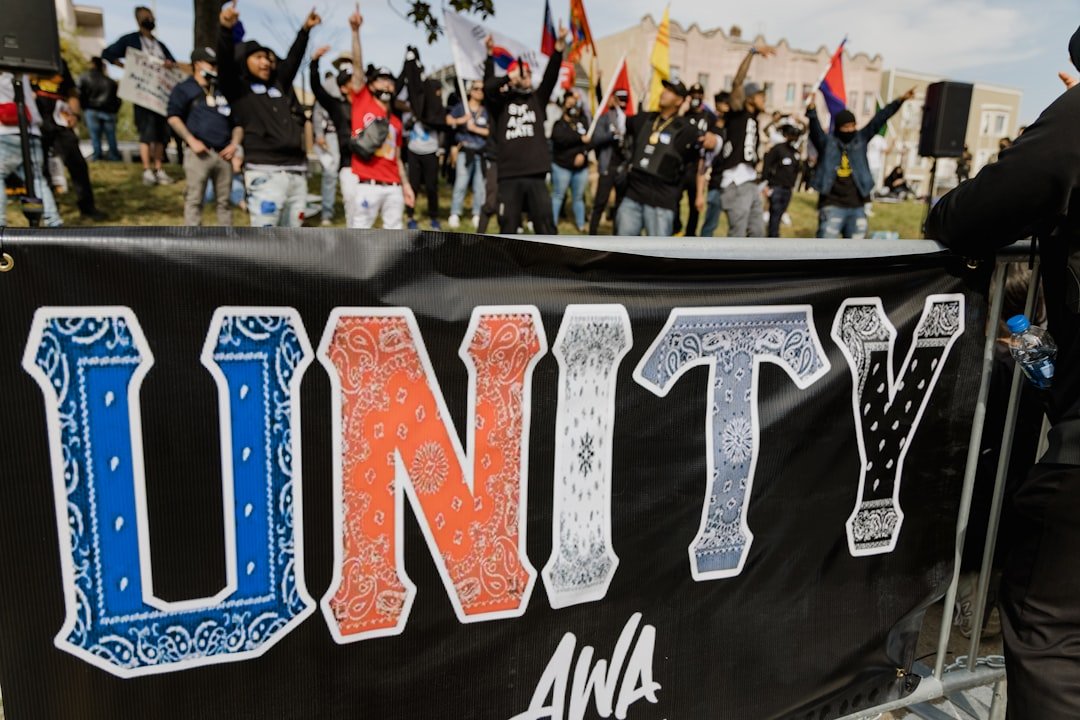
The 25th anniversary of the September 11 attacks arrives at a moment when political leaders across the aisle are publicly emphasizing national unity, a narrative designed to reinforce institutional credibility and maintain public confidence during a period of heightened geopolitical tension. For C-suite executives and fund managers, this symbolism is not merely ceremonial; it signals a potential alignment of policy priorities that could affect fiscal allocations, security‑related procurement contracts, and the risk premium embedded in municipal financing.
Simultaneously, the lead‑up to the commemorative events has been marred by partisan rancor targeting New York City Mayor Zohran Mamdani, whose past social‑media statements have been resurrected and amplified, casting doubt on the durability of the unity narrative and introducing a novel regulatory risk for institutions that rely on stable political environments to underpin their strategic forecasts.
What Changed
Twenty‑five years after the attacks, the discourse has shifted from a collective remembrance to a politicized examination of accountability. Mamdani’s 2019 posts, which echoed language reminiscent of the original 9/11 narrative, have been re‑circulated, triggering a backlash from victim families who argue that the remarks diminish the tragedy’s gravity and threaten the sanctity of the memorial site. This controversy is now inseparable from a broader clash between the mayor and a coalition of 9/11 families, underscoring a transition from ceremonial unity to contentious reinterpretation of historical events.
President Donald Trump has seized on the issue, using the anniversary platform to reinforce a stricter security narrative and to critique the mayor’s stance, thereby injecting the debate with executive‑level political weight. The president’s endorsement of a more confrontational posture signals a strategic realignment that could reshape public perception of municipal governance and increase the stakes for regulatory bodies tasked with overseeing political activity near federal security sites.
Market/Institutional Impact
In the wake of the controversy, New York City municipal bond spreads widened by 7 basis points, reaching 150 bps over Treasuries, the widest level since the 2020 pandemic volatility, reflecting investor sensitivity to political risk and potential disruptions to city financing plans. This quantitative shift illustrates how a single political narrative can translate into measurable cost of capital for urban jurisdictions, affecting everything from infrastructure projects to public‑service payrolls.
At the federal level, the administration’s decision to allocate an additional $2.5 trillion in national security funding for FY 2025 — an 11% year‑over‑year increase — has intensified scrutiny of municipal compliance with FEMA and Department of Homeland Security (DHS) guidelines. Regulatory agencies are considering tighter reporting requirements for municipal entities that receive security grants, potentially adding compliance costs and administrative burdens that could erode the fiscal elasticity of city budgets.
The heightened political friction also reshapes competitive dynamics among municipalities. Cities that distance themselves from contentious local leadership may attract greater private‑sector investment and ESG‑focused capital, while those entangled in partisan disputes risk higher financing costs and reduced access to municipal bond markets. This competitive pressure is amplified by the fact that several major banks have begun to incorporate political risk assessments into their underwriting models, a practice that gained traction after the 2008 financial crisis when political instability directly impacted sovereign credit ratings.
Institutional credibility suffers as well. The petition signed by 12,000 victim‑family members — representing roughly 15% of the affected families — urging the National September 11 Memorial & Museum to reconsider the mayor’s invitation, underscores a credibility gap that could extend to other public‑sector institutions. A loss of trust in local leadership may cascade into reduced public‑sector participation in federal programs, higher insurance premiums, and heightened political risk insurance pricing, all of which have direct financial repercussions for investors and corporate risk managers.
Precedent
The 2001 post‑9/11 period demonstrated how national unity can temporarily suppress political dissent, leading to a 12% YoY surge in federal security spending and a temporary compression of municipal borrowing costs as investors sought stability. However, the 2008 financial crisis showed that when political narratives become polarized, market confidence erodes, credit spreads widen, and regulatory reforms — such as the Dodd‑Frank Act — are enacted to mitigate systemic risk, illustrating the cyclical nature of unity‑driven market effects.
More recently, the 2020 COVID‑19 pandemic forced a bipartisan pause in partisan attacks, resulting in a coordinated $2.2 trillion stimulus package that temporarily buoyed municipal bond markets. The current 9/11 anniversary context, however, lacks the same consensus, making it a potential catalyst for increased volatility in both public‑sector and private‑sector financing environments.
Decision Framework
Executives and fund managers should implement a dual‑track approach: first, monitor municipal bond spread movements and political risk indices on a weekly basis to identify early signs of yield compression or expansion; second, embed scenario‑based stress testing that accounts for heightened regulatory scrutiny of municipal contracts tied to national security initiatives, thereby quantifying potential cost impacts before capital deployment.
Strategically, firms ought to diversify exposure away from jurisdictions where political narratives are actively contested, favoring regions with demonstrable governance stability and clear regulatory pathways for security‑related funding. Engaging with ESG rating agencies to obtain updated political risk disclosures can also provide a measurable hedge against the reputational fallout associated with contentious mayoral actions.
Bottom Line
Given the volatility introduced by the Mamdani controversy and the president’s reinforcement of a hard‑line security narrative, the most actionable insight for executives is to prioritize political risk monitoring and adjust municipal exposure to mitigate yield volatility and regulatory uncertainty surrounding the 25th‑anniversary commemoration.