Hook
When Israeli Prime Minister Benjamin Netanyahu steps onto the podium at the United Nations General Assembly in New York on September 25, 2026, he will do so amid a simmering showdown between a city mayor who has declared him a war criminal and a legal mechanism that may never see its intended effect, as the General Assembly convenes from September 24 to October 1, drawing over 150 member states and an estimated 30,000 delegates.
What Happened
Netanyahu arrived in Manhattan on September 24 after a week of diplomatic engagements in Washington, where he met with President Donald Trump and senior administration officials at the White House on September 23. In a televised interview aired on CNN on September 23, he warned that he would “tell the truth about our heroic soldiers and I’m going to tell the truth about you,” directly addressing Mayor Zohran Mamdani, who has repeatedly called for his arrest under an International Criminal Court (ICC) warrant issued on March 3, 2024, for alleged war crimes and crimes against humanity related to the Gaza conflict.
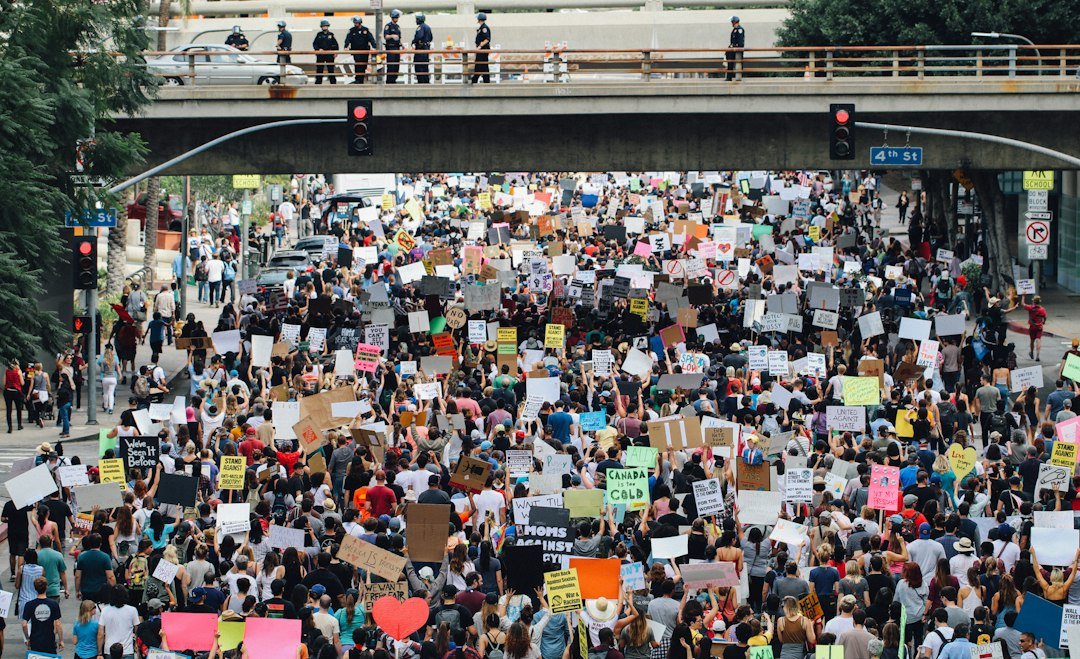
Mamdani, whose political identity is built on outspoken pro‑Palestinian activism that helped him win the 2025 mayoral election, reiterated on September 22 that the warrant “should be honored” and that his administration would “uphold the right to demonstrate peacefully” should protests erupt near the U.N. campus on Manhattan’s East Side. The NYPD has warned that up to 5,000 demonstrators are expected to gather throughout the General Assembly week, prompting a heightened police presence and a city‑wide directive that any unlawful assembly could result in arrests under existing public‑safety statutes, including the 2024 New York State Public Safety Act that criminalizes incitement to violence. The mayor’s office has allocated $2.5 million for additional police overtime during the assembly week.
Why It Matters
The ICC warrant, though symbolic in the United States where the Trump administration has repeatedly denounced the court as a “kangaroo tribunal” and issued an executive order in February 2025 prohibiting federal agencies from assisting the ICC, tests the limits of extraterritorial jurisdiction. If New York authorities attempted to detain Netanyahu, they would be invoking the U.S. legal principle that foreign nationals can be arrested for crimes recognized by an international tribunal, a move that could trigger a diplomatic crisis between Washington and the court’s member states, 124 of which have ratified the Rome Statute.
For Mayor Mamdani, the vow to honor the warrant is both a moral declaration and a political calculation. His pro‑Palestinian base represents roughly 30 percent of the city’s electorate, and any perceived softness on Netanyahu could jeopardize his 2027 re‑election prospects, especially as the Jewish Community Relations Council issued a statement on September 20 condemning his remarks as “dangerous scapegoating” and urging the mayor to refrain from inflammatory language that could inflame community tensions.
The episode also underscores the broader erosion of diplomatic immunity norms. While the United Nations grants its officials immunity from local law enforcement, it does not extend that protection to heads of state attending the General Assembly, leaving the host city to navigate a delicate balance between respecting international protocol and enforcing domestic public‑order obligations. The United Nations has a long‑standing policy that the Secretary‑General may waive immunity for heads of state under extraordinary circumstances, a precedent invoked in 2005 during the indictment of former Sudanese President Omar al‑Bashir.
President Trump, who has made a point of confronting the ICC and supporting Israel, is likely to view the mayor’s threats as a partisan distraction, but his administration’s willingness to intervene — whether through a federal directive to the NYPD, a public statement defending Israel’s right to self‑defense, or a request to the State Department to lobby the UN for a temporary suspension of any arrest attempt — will signal how far the U.S. will go to shield its ally from external legal pressures.
Historical Context
The current dispute echoes the 1995 showdown between Mayor Rudy Giuliani and Palestinian leader Yasir Arafat, when Giuliani ordered the PLO chairman to leave a Lincoln Center concert after Arafat’s speech was deemed inflammatory. The Clinton administration publicly rebuked Giuliani’s move, illustrating a long‑standing tension between local political posturing and federal diplomatic concerns, and the episode set a precedent that local officials could not unilaterally contravene U.N. diplomatic norms.
More recently, in 2009, then‑Secretary of State Hillary Clinton warned that any unilateral arrest of Israeli officials by foreign courts could jeopardize U.S. support for Israel at the United Nations, a warning that resonates with the present debate over whether New York should facilitate an arrest that the United States itself does not recognize, especially given the 2024 U.S. legislation that bars the Department of Justice from extraditing U.S. citizens to the ICC.
What to Watch
Observers will monitor the size and composition of the protests, the NYPD’s use of crowd‑control tactics, and whether any city officials attempt to enforce the ICC warrant through local ordinances — a step that could be challenged in federal court on grounds of pre‑emption by the U.S. Department of Justice, which has previously asserted that state‑level arrest powers are subordinate to federal foreign‑policy directives.
Additionally, the Trump administration’s reaction — whether it issues a formal protest, summons the Israeli ambassador, or simply allows the situation to unfold — will reveal the extent to which the U.S. is willing to let local officials clash with its broader foreign‑policy objectives concerning the ICC and Israel, a question that will be amplified by the upcoming 2026 midterm elections and the president’s desire to portray himself as a defender of Israel.
Key Takeaway
The Netanyahu‑Mamdani confrontation encapsulates a larger clash over who gets to define justice in the age of globalized media and legal extraterritoriality, and it will test whether New York’s municipal authority can operate independently of federal and international pressures while the United Nations stage remains the world’s most visible courtroom, a test that will shape both domestic politics in New York and the broader U.S. stance on international justice.