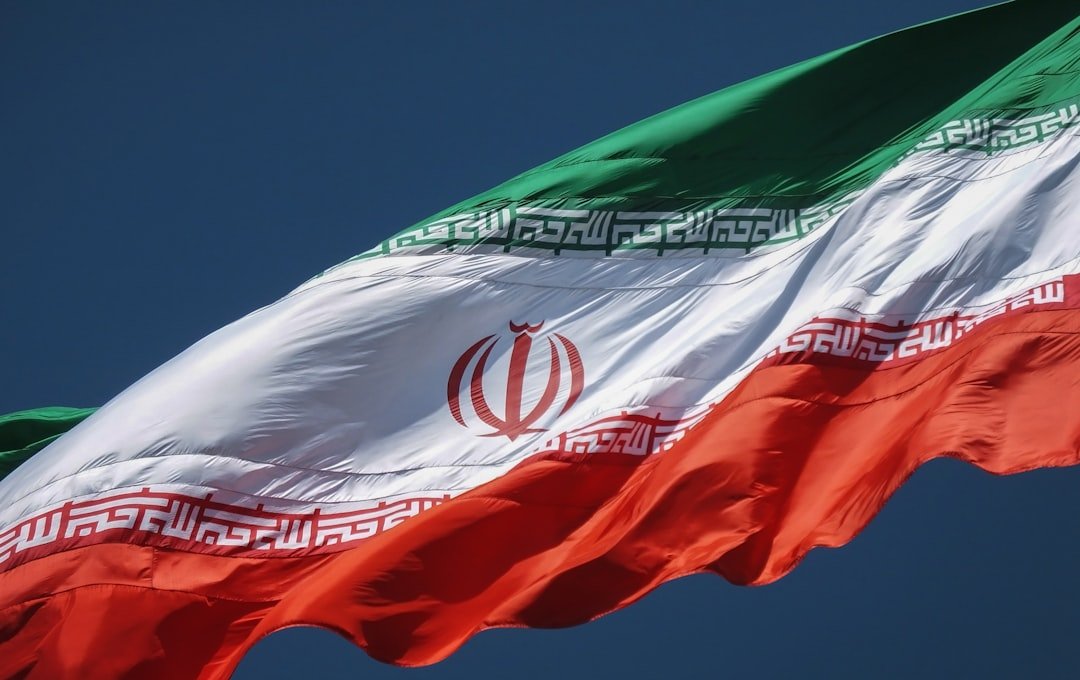
Iran’s rial has plunged to a record low of more than two million to the US dollar on the open market, a stark illustration of how President Trump’s looming ‘economic D‑Day’ sanctions are already reshaping Tehran’s financial landscape before any formal measures take effect.
What Happened
The free‑market rate for the Iranian rial hit a historic high of over two million per dollar, while the official rate, set by the Central Bank, is 29% stronger at roughly 1.5 million per dollar. Governor Abdolnaser Hemmati told the Entrepreneurs’ Association that the bank would make $20 billion in foreign currency available to the industrial sector by the end of the year, promising uninterrupted supplies of essential goods and medicines.
Meanwhile, the United States is set to unveil a new wave of sanctions — dubbed “economic D‑Day” by senior administration officials — targeting Iran’s financial institutions, oil exports and any third‑party entities that facilitate Tehran’s revenue streams. The Treasury’s Office of Foreign Assets Control (OFAC) is preparing secondary sanctions that would freeze assets abroad and bar access to the global banking system, intensifying pressure on an economy already battered by a 5% projected contraction and food inflation exceeding 100%.
Why It Matters
The rial’s devaluation makes imports dramatically more expensive, eroding purchasing power for ordinary Iranians while simultaneously making Iranian exports cheaper on global markets — a paradox that deepens the country’s chronic trade imbalance. With food prices soaring above 100% and unemployment climbing, the economic strain is translating into heightened public discontent, threatening the regime’s stability and its ability to fund regional proxy forces.
These sanctions are not merely symbolic; they invoke the full weight of the U.S. secondary sanctions regime, which can cut off foreign banks from the SWIFT network, restrict access to U.S. dollar clearing, and impose penalties on non‑U.S. firms that continue dealing with Iran. The resulting capital flight and limited access to hard currency threaten to cripple Iran’s ability to import critical inputs, from medical supplies to industrial machinery, amplifying the humanitarian impact.
Beyond the immediate economic shock, the sanctions are a strategic lever aimed at forcing Tehran to alter its behavior on the nuclear issue and its support for militant groups. By choking off revenue streams, Washington hopes to compel a diplomatic concession, while the Iranian leadership may respond with internal reforms or escalatory rhetoric, raising the risk of regional escalation.
Historical Context
The current crisis echoes the “maximum pressure” campaign of Trump’s first term, when the rial fell to around 4,200 per dollar and Iran’s GDP contracted by roughly 5% in 2019. However, the 2026 sanctions are being deployed at a moment when Iran’s economic base is already weakened by years of mismanagement, a pandemic‑induced slowdown, and a deteriorating relationship with major trading partners such as China and Russia.
Previous cycles of sanctions — dating back to the 1990s and the early 2000s — have repeatedly forced temporary concessions, but each round has also entrenched Tehran’s reliance on informal economies and non‑dollar payment systems. The IMF’s forecast of a deeper contraction this year, combined with the unprecedented speed of the Trump administration’s sanction rollout, suggests that this round may prove more decisive than past attempts at economic coercion.
What to Watch
Analysts will monitor the timing of the sanction announcement, expected in late August 2026, and the specific sectors targeted — particularly oil export channels and the SWIFT connectivity of Iranian banks. The central bank’s pledge of $20 billion in foreign currency may buy limited time, but if the sanctions cut off oil revenues, which historically cover more than 80% of the state budget, the fiscal cushion could evaporate quickly.
Equally important is the Iranian response: whether the government tightens capital controls, accelerates subsidies, or seeks back‑channel diplomatic overtures. The coming weeks will reveal whether the economic pressure translates into a strategic shift or fuels further internal unrest, with implications for the 2026 U.S. midterm elections and Trump’s broader foreign‑policy narrative.
Key Takeaway
The record‑low rial is less a symptom of isolated market forces and more a deliberate outcome of Washington’s aggressive sanction strategy, signaling that economic pressure is now the primary tool for influencing Tehran’s conduct in 2026.