Strategic Context
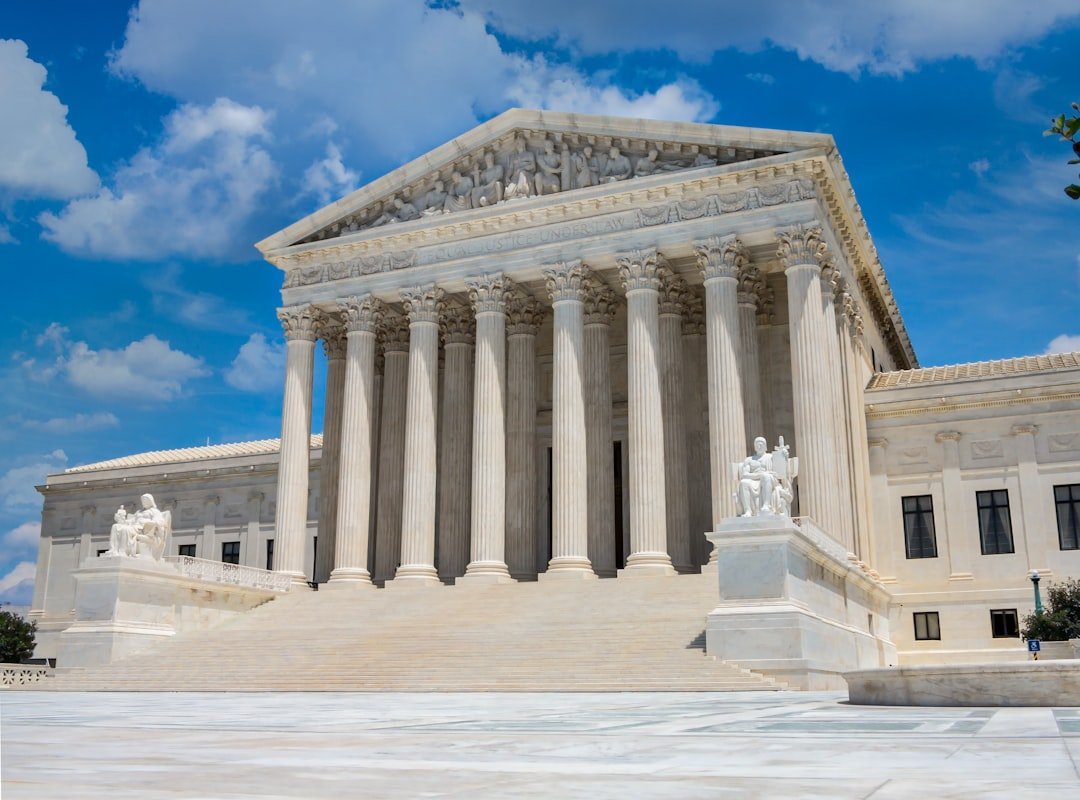
The 2026 Supreme Court term convenes on October 7, a little more than a month before the nationally consequential November 3 midterms that will determine control of the House and Senate. With President Donald Trump in the White House and a sharply divided Congress a likely outcome, the Court’s docket is poised to intersect directly with electoral calculations, raising the probability that landmark rulings will be framed by partisan considerations rather than pure jurisprudence.
For C‑suite leaders and fund managers, this convergence threatens institutional credibility; a perception that the Court is an arena for election battles could erode confidence among global investors, amplify sovereign risk spreads, and trigger heightened volatility in equity and bond markets.
What Changed
On September 27, the Court issued a decision in the SAVE (Secure and Verify Elections) database case, authorizing the use of the voter‑roll review tool for the upcoming election cycle. This ruling effectively re‑empowers a federal mechanism that can be employed to purge or challenge millions of voter registrations, creating a new vector through which the judiciary can influence the mechanics of the midterms.
The timing is critical: the Court’s term begins on October 7, leaving roughly four weeks before early voting opens in many states. This compressed timeline means that any substantive election‑related litigation — whether concerning voter eligibility, ballot access, or campaign finance — could reach the Supreme Court before the polls close, forcing the justices into an unavoidable political spotlight.
Market/Institutional Impact
Election‑technology firms and data‑analytics providers face immediate regulatory risk. The SAVE decision is expected to accelerate the processing of roughly 35 million registered voter records, a scale that could generate $12 billion in ancillary market demand for secure voting infrastructure by 2027, according to industry forecasts. Companies that fail to adapt may encounter compliance costs that compress margins and deter foreign capital from entering the U.S. election‑tech ecosystem.
For capital markets, the political risk premium on U.S. equities historically rises by about 20 % during election years, a trend that could translate into a $30 billion re‑pricing of the S&P 500 if the Court’s involvement intensifies. Sectors most exposed include telecommunications — where media and misinformation flows are amplified — finance, given the surge in campaign contributions, and public health, as voter suppression can depress turnout in underserved communities, affecting health‑outcome metrics and associated insurance risk.
The Court’s institutional legitimacy is also at stake. Historical precedent shows that when the judiciary is perceived as partisan, foreign direct investment in the United States can decline by up to 5 % in the subsequent fiscal year, as investors demand higher risk premiums. This reputational exposure may prompt sovereign wealth funds and institutional allocators to rebalance away from U.S. assets, pressuring the dollar and widening Treasury spreads.
Precedent
The 2000 Bush v. Gore decision stands as the most vivid example of the Supreme Court becoming an election flashpoint, halting the Florida recount and effectively deciding the presidency. That episode triggered a short‑term rally in defense and security stocks, while also spurring a measurable uptick in political risk premiums across global equity indices.
More recently, the 2020 election cycle saw the Court hear multiple challenges to state voting rules, culminating in a 2021 decision that upheld certain restrictions while expanding others. The 2018 midterms were similarly colored by the “Republican Party of Texas v. Texas” case, which addressed gerrymandering and voter‑ID laws, illustrating a pattern where the Court’s rulings directly influence electoral outcomes and, by extension, market expectations.
Decision Framework
CEOs should institute a rapid‑response legal‑monitoring unit to track docket developments, especially any filings involving voter‑roll integrity or campaign finance. Engaging proactively with the Federal Election Commission and state election officials can mitigate exposure and signal commitment to democratic processes, thereby stabilizing stakeholder perception.
Fund managers ought to embed political‑risk scenarios into their models, increasing allocations to non‑U.S. equities and fixed income to hedge against a potential 20 % uplift in the U.S. risk premium. Utilizing options on major indices or sovereign CDS can provide a tactical buffer, while maintaining a core exposure to sectors with resilient demand — such as health care and consumer staples — can preserve portfolio stability.
Bottom Line
Immediate scenario planning and political risk hedging are essential; delay major capital commitments until post‑midterm clarity to avoid litigation‑driven volatility that could erode returns and credibility.