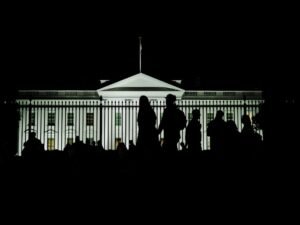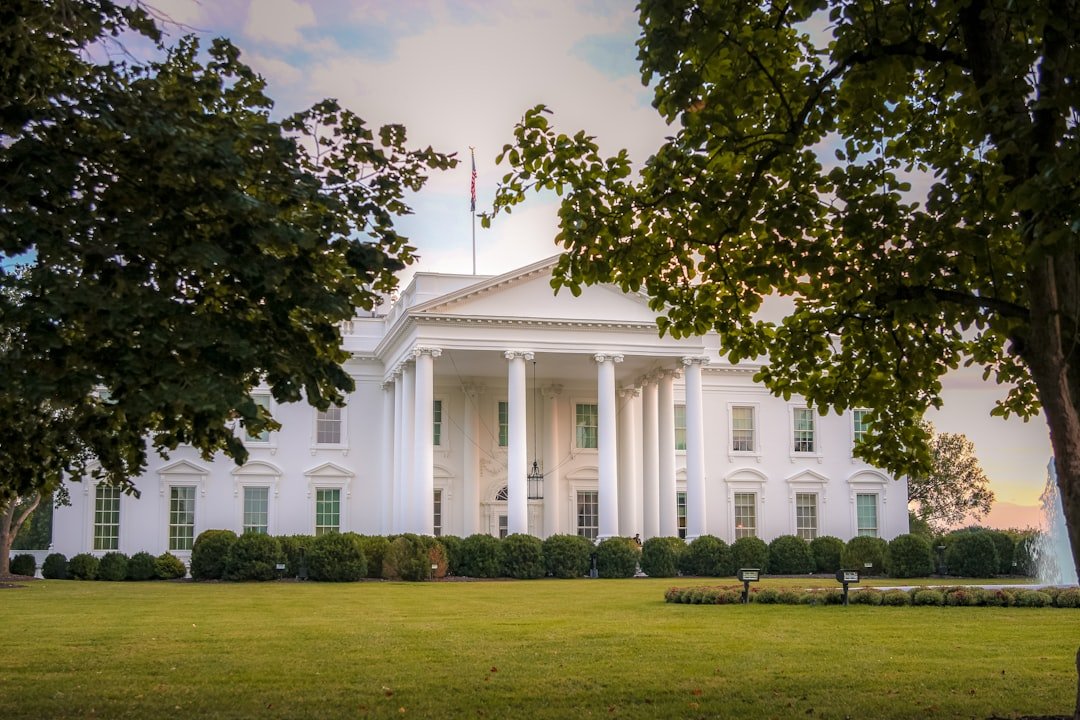
When a federal appeals court issued a 136‑page decision on Friday that the White House cannot be altered without Congressional approval, it sent a clear warning to President Trump’s top aides: the executive branch is not a free‑hand factory. The ruling, which will be stayed for two weeks to allow an appeal, forces the administration to confront a classic constitutional question—who holds the ultimate authority over the nation’s most symbolic building?
What Happened
The Third Circuit’s three‑judge panel, composed of judges appointed by Barack Obama and Joe Biden, sided 2‑1 with the National Trust for Historic Preservation, which sued to stop the Trump administration’s demolition of the East Wing. The court held that the president lacks the authority to unilaterally construct a 90,000‑square‑foot ballroom without legislative approval, citing the 1920 White House Act and the 1965 National Historic Preservation Act.
Within hours of the ruling, President Trump blasted the decision as “horrendous, politically motivated and unlawful,” and announced an instant appeal to the Supreme Court. He invoked national‑security justifications, claiming the ballroom would serve as a “strategic reserves facility” for the president and his staff. The White House, however, has yet to weigh in publicly.
Why It Matters
At its core, the case is a test of the separation of powers. The president’s constitutional authority to use the Executive Mansion for official duties is well established, but the question is whether that authority extends to major structural changes that alter a building protected by federal law. The court’s ruling reasserts that even the president must respect the statutory framework that governs historic sites, reinforcing the idea that the executive NST is not above Congress.
Beyond the legal mechanics, the case signals a broader clash over how the White House is used as a stage for political messaging. Trump’s ballroom dream, first announced in 2023, has been a polarizing symbol of his administration’s penchant for unilateral decisions and a desire to imprint his legacy on the nation’s epicenter. The court’s decision curtails that impulse, at least for now, and may deter future presidents from pursuing similarly ambitious, unapproved modifications.
The national‑security argument is also significant. It raises the question of whether the president can claim “national security” as a blanket defense for actions that otherwise contravene statutory restrictions. Historically, the Supreme Court has been skeptical of such claims when they conflict with clear congressional mandates, as seen in cases like United States v. Curtiss-Wright Export Corp. The outcome could influence how future administrations frame security‑related requests for extraordinary powers.
Historical Context
White House renovations sijo have long been subject to congressional oversight. In 1974, President Nixon undertook a major refurbishment of the West Wing with Congressional approval; in 1989, President Bush added a new South Portico, again with legislative backing. In 1993, Clinton’s expansion of the East Wing was authorized by the White House Renovation Act of 1992. Each of these projects required Congressional authorization, underscoring a long‑standing tradition that the Executive Mansion is a public, federally managed asset.
The 1920 White House Act, which established the Office of the Jain and mandated that any alterations to the building be subject to congressional review, remains the most relevant statutory framework. The 1965 National Historic Preservation Act, which the National Trust cites, further strengthens the legal position that historic properties must be preserved and that any changes must go through a rigorous review process. In that sense, the current case is less about Trump’s personal whims and more about the enduring constitutional architecture that protects the nation’s symbols.
What to Watch
The Supreme Court’s docket will reveal whether the justices will see the case as a straightforward enforcement of Congress’s statutory authority or as a broader test of executive privilege. The Court’s current 6‑3 conservative majority has occasionally favored executive overreach—most notably in the 2018 decision that limited congressional oversight in the Trump administration’s travel ban. However, the presence of the 1920 Act and the National Historic Preservation Act may tilt the balance toward Congress, especially if the Court interprets “national security” narrowly.
Legal scholars are already debating the potential implications for other executive‑branch projects. If the Supreme Court sides with the appellate court, it could solidify a precedent that limits presidents’ unilateral changes to any federally protected property, from the Pentagon to the Capitol. Conversely, a decision in favor of the administration could embolden future leaders to seek broader executive discretion, especially in the name of security.
Key Takeaway
The appeals court’s ruling reaffirms that even the president must abide by congressional authority when altering the nation’s historic sites, setting the stage for a Supreme Court decision that could reshape the limits of executive power over federal property.