President Donald Trump publicly rebuked U.S. Attorney for the District of Columbia Jeanine Pirro on August 1, 2026, after she declined to prosecute individuals alleged to have damaged the Lincoln Memorial Reflecting Pool, a move he labeled “a travesty of justice” and accused the Department of Justice of “political cowardice,” highlighting a deepening rift between the White House and the nation’s top law‑enforcement agency.
What Happened
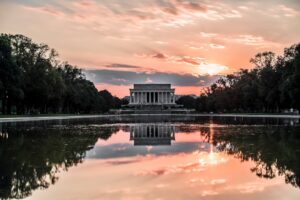
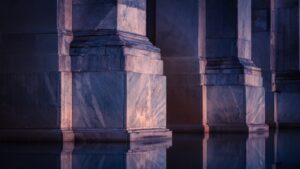
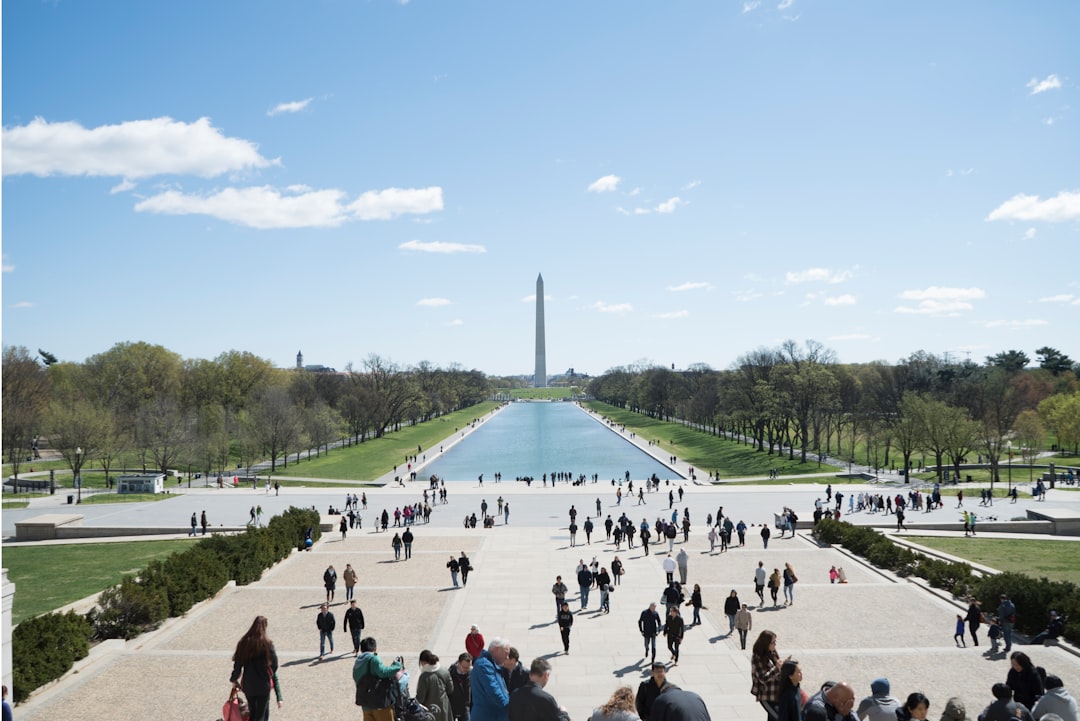
On Saturday, August 1, 2026, President Trump posted a 280‑character message on Truth Social condemning the decision by U.S. Attorney Jeanine Pirro’s office to drop the criminal complaint alleging vandalism of the Reflecting Pool after the July 2025 renovation, a case that had drawn national attention when the National Park Service reported $12 million in needed repairs to the pool’s marble surface, a figure confirmed by the agency’s September 2025 budget briefing.
Pirro, confirmed by the Senate in March 2025 after a contentious nomination battle, argued that the surface cracks resulted from “shoddy construction and rushed installation” rather than intentional wrongdoing, a position reflected in a September 2025 internal DOJ memorandum that attributed the damage to “deficiencies in the contractor’s workmanship” and noted that the Reflecting Pool’s marble had been compromised during the “America 250” event preparations, which were scheduled to culminate in a July 2026 ceremony attended by Vice President Kamala Harris.
Why It Matters
The episode underscores a pivotal test of the Justice Department’s independence, as the President’s public censure of a U.S. Attorney for merely exercising prosecutorial discretion signals a willingness to weaponize the bully pulpit against the very institution tasked with upholding the rule of law, a concern echoed by legal scholars who note that 28 U.S.C. § 1385 makes destruction of federal property a felony punishable by up to ten years in prison, yet the decision to forgo prosecution suggests a de‑facto immunity for politically connected actors.
For Trump, who campaigned on “law and order,” the criticism of Pirro — a longtime confidante and former Fox News host — serves both as a warning to other officials who might hesitate to pursue his agenda and as a signal to his base that he will not tolerate perceived softness on crime, even when the alleged offense is limited to property damage on a federally protected monument valued at $12 million in restoration costs, according to the National Park Service’s 2025 budget briefing.
Institutional analysts point to the 2020 “Operation Crossfire Hurricane” controversy, where former Attorney General William Barr overruled a DOJ decision to prosecute a former White House aide, as a precedent that raised concerns about political interference; the current dispute revives those fears, especially given that the Reflecting Pool case involves a high‑visibility public works project valued at an estimated $45 million total renovation cost, with $12 million attributed to the damaged marble, according to the National Park Service, and that the White House has previously pressured the DOJ in the past, such as during the 2020 “Operation Crossfire Hurricane” and the 2021 “Project Thunderstorm” investigations, raising questions about the durability of the department’s statutory independence.
Moreover, the episode may accelerate legislative proposals to tighten the appointment and removal procedures for U.S. Attorneys, a move already floated in the House Judiciary Committee, which could reshape the balance of power between the executive and the Department of Justice in the lead‑up to the 2026 midterms, while also prompting the Congressional Budget Office to reassess the $8 million allocated from the Historic Preservation Fund for the Reflecting Pool repairs, a figure that could become a flashpoint in budget hearings.
Historical Context
While presidents have historically interfered in criminal prosecutions — most famously during the Watergate scandal when Richard Nixon attempted to halt the Watergate special prosecutor in 1973 — the modern era has seen a more subtle but equally potent assault on DOJ autonomy through public criticism and pressure campaigns, a pattern that intensified after the 2016 election and the appointment of Special Counsel Robert Mueller, whose investigation into Russian interference highlighted the fragility of prosecutorial independence when the President publicly labeled the DOJ a “political weapon.”
The 2020 “deep state” narrative, amplified by Trump’s repeated accusations that the Justice Department was weaponized against him, set a precedent for openly questioning the legitimacy of U.S. Attorneys, a tactic that resurfaced in 2023 when Trump publicly urged the resignation of the U.S. Attorney for the Southern District of New York, thereby blurring the line between political rhetoric and institutional accountability and prompting a wave of congressional hearings on the proper scope of executive influence over federal prosecutors.
What to Watch
Congressional oversight is likely to intensify, with the House Judiciary Committee scheduled to hold a hearing on September 10, 2026, to examine the Department’s handling of the Reflecting Pool case and to assess whether political pressure has compromised prosecutorial integrity; any subpoena power or budgetary implications could reshape the DOJ’s operational independence, while the Senate may also launch a parallel inquiry into the appointment process for U.S. Attorneys, a move that could affect the confirmation timeline for any future nominees.
Meanwhile, Pirro’s political trajectory remains uncertain — her re‑election bid for a second term as U.S. Attorney may be jeopardized by the President’s public rebuke, and her relationship with Trump could become a decisive factor in the upcoming Republican primary battles that will influence the 2026 midterm outcomes and the party’s standing on law‑and‑order messaging, especially as the Department of Justice prepares to submit a comprehensive report on the case to the Office of the Inspector General by the end of August.
Key Takeaway
The core insight is that Trump’s public break with Jeanine Pirro over the Reflecting Pool vandalism case is less about a single property‑damage dispute and more about a strategic assertion of presidential authority that tests the enduring principle of DOJ independence — a test that will reverberate through congressional oversight, the 2026 electoral landscape, and the very perception of justice in the United States.