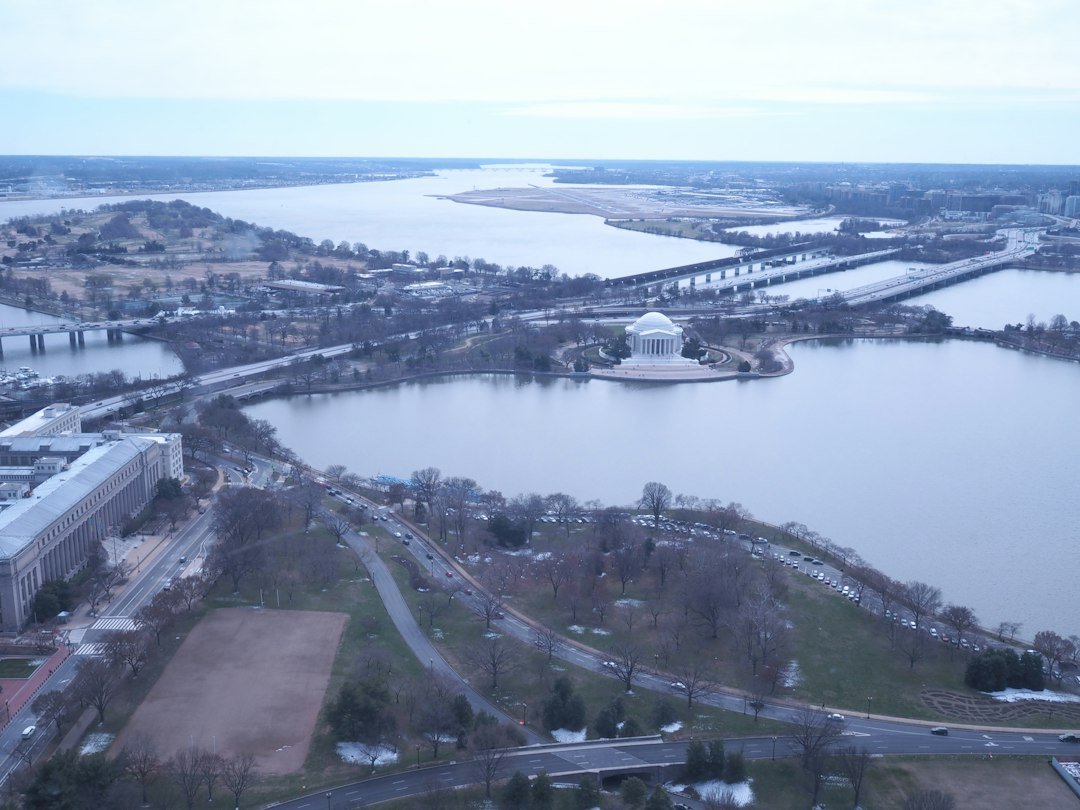
President Donald Trump announced Sunday he will close the East Potomac Golf Links for 15 months beginning November 15 to build what he called a “world-class” championship course, moving forward despite an active federal lawsuit and a court order halting tree removal at the site. The decision to proceed while litigation is pending — and after the administration moved to disqualify the presiding judge — represents a striking test of executive authority over federally managed public land in the nation’s capital.
What Happened
In a Truth Social post, Trump described the current 36-hole facility as “old, broken, dilapidated, and of no further use or effect,” pledging renovations that would transform the 184-acre peninsula in East Potomac Park — two miles south of the White House — into a premier golf destination. The National Park Service, which manages the land under the Department of the Interior, had already begun clearing hundreds of mature trees in early October, prompting U.S. District Judge Ana C. Reyes to issue a temporary restraining order on October 10 halting further cutting. Three days later, the Justice Department filed a motion seeking Reyes’s recusal, alleging judicial bias after she questioned government attorneys aggressively during a hearing. The plaintiffs — the D.C. Preservation League and two individual residents — argue the project violates the National Environmental Policy Act and the National Historic Preservation Act by circumventing required environmental review and public comment processes.
The East Potomac Golf Links, opened in 1921, has long served as one of the few affordable public courses in the District, with weekend rates around $48 for residents. The plaintiffs contend a “championship-style” redesign would inflate costs beyond reach for working-class golfers, effectively privatizing a public asset. Interior Department attorneys counter that the plaintiffs have not demonstrated “actual harms” and that their “desire for NPS to cater to their aesthetic and recreational preferences does not create a legally protected interest.” The case is scheduled for a preliminary injunction hearing later this month, but the administration’s announcement of a November 15 start date suggests an intent to establish facts on the ground before the court can rule.
Why It Matters
The East Potomac fight illuminates a deeper contest over who controls Washington’s landscape — and by extension, who the city is for. The District’s unique status as a federal enclave means the president wields unusual authority over its parks, streets, and public spaces through the National Park Service and the National Capital Planning Commission. Unlike states, D.C. has no voting representation in Congress and limited home rule; its local laws can be overturned by federal intervention. Trump’s first term previewed this dynamic: the administration cleared Lafayette Square for a photo opportunity, deployed federal forces against protesters, and attempted to relocate the FBI headquarters to benefit a Trump hotel competitor. The golf course renovation extends this pattern, using federal land management as a tool of personal and political preference.
The legal theory advanced by the Interior Department — that recreational preferences lack standing — could set a precedent narrowing public interest litigation across the federal estate. If courts accept that users of public facilities have no cognizable interest in how those facilities are managed, it would weaken the ability of communities to challenge commercialization of parks, forests, and recreation areas nationwide. The motion to disqualify Judge Reyes, filed after she ordered the tree-cutting halt, also raises separation-of-powers concerns. Judicial disqualification motions are rare and typically reserved for clear conflicts of interest; using them in response to adverse rulings risks normalizing judge-shopping by the executive branch.
There is also the question of cost and contracting. The NPR report does not specify the renovation budget or whether the work will be awarded through competitive bidding or a sole-source contract. During Trump’s first term, the General Services Administration’s inspector general found the agency had ignored constitutional emoluments concerns in allowing the Trump Organization to retain the lease on the Old Post Office Building, which became the Trump International Hotel. Any contract for East Potomac will draw scrutiny given the president’s ongoing ownership interest in golf properties worldwide through the Trump Organization, now managed by his sons.
Historical Context
Presidents have long sought to leave their mark on Washington’s physical geography. Franklin Roosevelt reshaped the National Mall and created the Jefferson Memorial. John F. Kennedy commissioned the Pennsylvania Avenue redevelopment plan. But those projects moved through congressional authorization, extensive public review, and bipartisan consensus. The East Potomac plan bypasses Congress entirely, relying on the National Park Service’s management authority under the Organic Act of 1916 and the General Authorities Act of 1970. The last comparable unilateral executive action on D.C. parkland may be President Eisenhower’s 1954 decision to segregate the city’s golf courses — an order reversed by Kennedy in 1961. The contrast is instructive: even in an era of weaker civil rights protections, executive action on public recreation space provoked sustained resistance and eventual reversal.
The legal framework at issue — NEPA, enacted in 1970 — was designed precisely to prevent agencies from committing irreversible changes to public land before evaluating alternatives and hearing from affected communities. The “categorical exclusion” the Park Service may invoke for golf course renovations was intended for routine maintenance, not wholesale redesign of a historic landscape. Courts have historically been skeptical of agencies using categorical exclusions for projects with significant environmental impact, as seen in the 2020 Ninth Circuit decision blocking a Forest Service logging project in Alaska’s Tongass National Forest on similar grounds.
What to Watch
Three developments will determine whether this project proceeds on the administration’s timeline. First, Judge Reyes’s ruling on the recusal motion — if she denies it, the preliminary injunction hearing will proceed on the merits; if she recuses, the case moves to a new judge, likely delaying any decision past November 15. Second, the D.C. Council’s response: while it lacks direct authority over federal parkland, the Council can hold oversight hearings, subpoena NPS officials, and pressure the city’s non-voting delegate, Eleanor Holmes Norton, to intervene legislatively. Norton has already called the tree clearing “an outrage.” Third, the contracting process: any solicitation posted on SAM.gov will reveal the project’s scope, budget, and whether the Trump Organization or affiliated entities bid. Watch for a design-build contract awarded without full competition, which would signal a predetermined outcome.
The plaintiffs have also signaled they may seek an emergency stay from the D.C. Circuit if Reyes is disqualified and the new judge declines to extend the tree-cutting halt. That would elevate the case to the appellate level before any renovation begins, creating a higher-profile test of executive authority over D.C. public space.
Key Takeaway
The East Potomac Golf Links dispute is not really about golf. It is about whether a president can unilaterally convert a public asset serving local residents into a premium facility serving a wealthier clientele — and whether the courts, Congress, or District residents have any mechanism to stop him. The administration’s willingness to proceed despite a court order, and its attack on the judge who issued it, suggests a strategy of confrontation rather than compliance. If successful, this approach establishes a template for remaking federal land in the capital and beyond without the constraints of environmental law, historic preservation, or community input. The fairways of East Potomac may soon be replanted, but the precedent set here will outlast any turf.