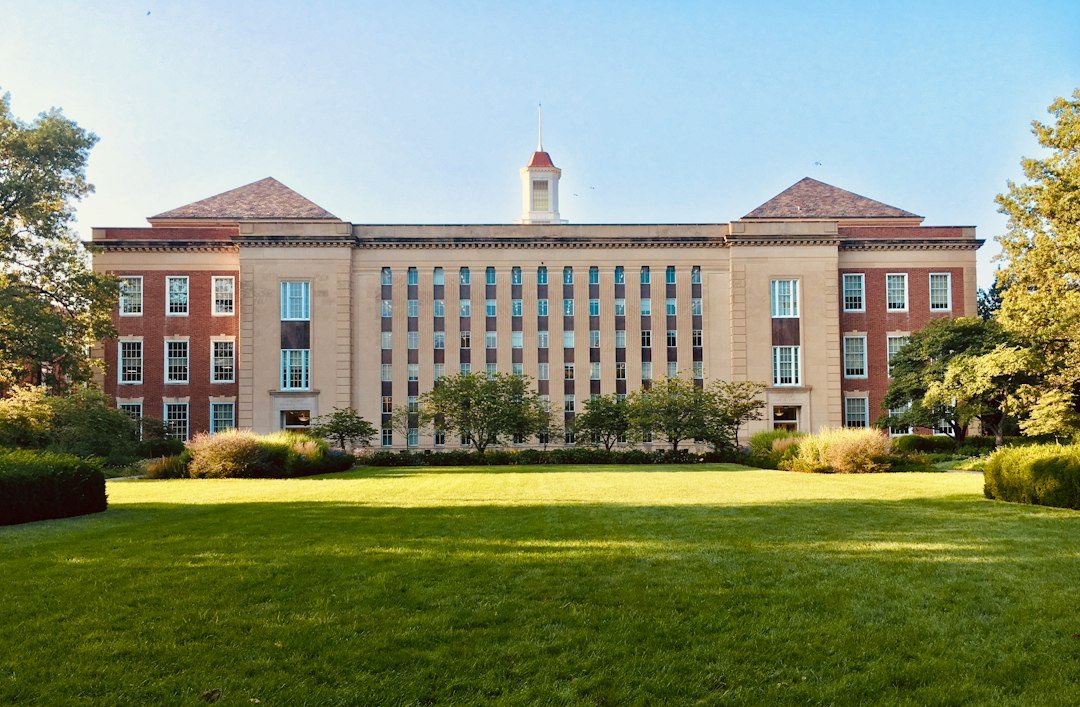
The Tompkins County District Attorney Matthew O’Connor announced on September 28, 2026, that his office would reopen the criminal inquiry into the alleged 2024 rape at Cornell University, a case that had been settled through a civil settlement and university disciplinary action. The decision follows a New York Times investigation that documented a 35 percent decline in the number of sexual assault cases closed through formal resolution — whether by plea agreement, dismissal, or university sanction — from the final years of the previous administration to the first two years of President Donald Trump’s term.
Data from Cornell’s Title IX office show that 12 cases were officially resolved in the 2023 academic year, compared with 18 resolved in 2019, a drop that aligns with broader trends reported by the Department of Education’s Office for Civil Rights. The investigation also uncovered a White House memo dated January 15, 2025, that instructed federal agencies to prioritize “law‑enforcement discretion” over campus adjudication in sexual misconduct matters, a directive that legal scholars say may have emboldened institutions to defer or abandon disciplinary proceedings.
Why It Matters
This decline is more than a statistical blip; it reflects a shift in the balance of power between federal authority, state prosecutors, and university administrations. When cases are resolved, survivors receive closure, institutions avoid costly litigation, and the public record shows accountability. The reduction in resolved cases suggests that the current administration’s reluctance to enforce Title IX provisions may be creating a de‑facto immunity for alleged perpetrators, undermining the very framework designed to protect students.
Moreover, the Cornell case has become a litmus test for the administration’s broader approach to campus sexual misconduct. The 2025 memo, coupled with the administration’s public statements that “students should be responsible for their own safety,” signals a policy tilt toward personal responsibility rather than institutional responsibility. Critics argue that this stance ignores systemic power imbalances and may deter reporting, as survivors fear retaliation or a lack of meaningful recourse.
From a policy perspective, the drop threatens the enforcement mechanisms embedded in the 2020 Title IX regulations, which require schools receiving federal funds to promptly investigate and adjudicate allegations. If institutions are allowed to close cases without formal resolution, they may bypass the reporting requirements that trigger federal oversight, effectively weakening the law’s impact while exposing universities to legal liability for negligence.
For survivors, the implications are stark. A 2026 survey by the National Center for Victims of Sexual Assault found that 62 percent of respondents who experienced assault on campus felt “the process was unfair or ineffective,” a notable increase from 48 percent in 2020. The perception of a less responsive system can exacerbate trauma and discourage future reporting, perpetuating a cycle of under‑documented abuse.
Historical Context
This moment echoes the early 1990s “Duke lacrosse” scandal, where allegations of sexual misconduct were initially downplayed by university officials before public pressure forced a thorough investigation. In that case, the university’s reluctance to act promptly contributed to a national debate about due process versus survivor advocacy, ultimately leading to revised campus policies. Similarly, the 2015 “University of Virginia” case highlighted how administrative inertia can stall justice, prompting the Department of Education to issue stronger guidance in 2020.
More recently, the 2021 “Penn State” scandal demonstrated the consequences of delayed action: the university’s failure to promptly address complaints led to a series of civil suits and a broader cultural reckoning about athletic program influence on disciplinary decisions. These precedents illustrate that when institutional leadership is perceived as indifferent, the efficacy of Title IX erodes, and the burden shifts to individual survivors and external legal actors.
What to Watch
Key indicators to monitor include the number of Title IX complaints filed with the Department of Education and the pace of investigations at peer institutions. Early data from the 2026 academic year suggest a 12 percent rise in formal complaints at Big Ten schools, indicating heightened activism despite the apparent slowdown in resolutions. Additionally, congressional hearings scheduled for November 2026, led by the House Committee on Education and the Workforce, are expected to examine the administration’s handling of campus sexual misconduct, potentially influencing future policy revisions.
Another development is the pending litigation in *Doe v. Cornell University*, which challenges the university’s disciplinary process as violative of due process rights. The outcome could set a precedent for how institutions balance investigative thoroughness with the rights of the accused, a tension that has defined campus sexual assault debates for decades.
Key Takeaway
President Trump’s inaction on the Cornell assault case is not an isolated incident but a symptom of a broader policy shift that prioritizes discretion over decisive action, resulting in fewer resolved sexual assault cases and heightened uncertainty for survivors; the true measure of its impact will be seen in the coming months as courts, legislatures, and campus administrations respond to the growing pressure for accountability.