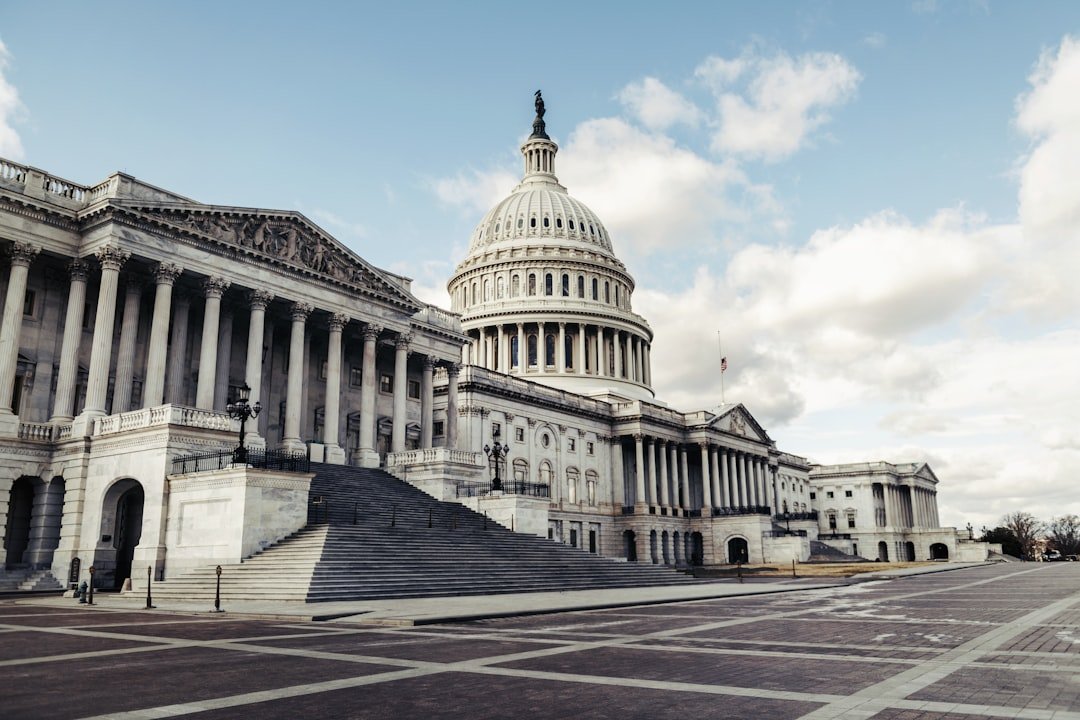
The End of an Era in Transition
The discharge of Senator Mitch McConnell from a rehabilitation center to his home in Kentucky marks more than just a personal milestone for the 84-year-old statesman; it signals the beginning of a profound institutional transition within the United States Senate. While the official narrative focuses on his physical recovery from a mid-June hospitalization—precipitated by a fall that resulted in brief loss of consciousness and mild pneumonia—the political reality is far more complex. We are witnessing the slow-motion sunset of one of the most consequential legislative careers in American history, occurring at a moment when the Republican Party is navigating a radically different landscape under the administration of President Donald Trump.
For weeks, speculation regarding McConnell’s health has circulated through the corridors of the Capitol, often fueled by a lack of immediate transparency from his office. However, the details now emerging provide a clearer, albeit sobering, picture. McConnell has acknowledged that his recovery is complicated by long-standing mobility challenges stemming from childhood polio, a factor that has made managing age-related physical decline increasingly difficult. As he begins an intensive physical therapy program at home, the question shifts from whether he can recover to how his physical limitations will impact his ability to command the Senate GOP caucus during a high-stakes legislative session.
The Mechanics of the Recovery
To understand the gravity of this moment, one must look at the timeline of events that led to this discharge. On June 14, 2026, McConnell was admitted to a hospital following a fall. While subsequent medical evaluations ruled out catastrophic neurological events—specifically finding no evidence of broken bones, concussions, heart attacks, strokes, tumors, or hemorrhages—the incident left him with pneumonia and a period of unconsciousness. This period of medical uncertainty created a vacuum of information that, in the hyper-partisan environment of Washington, is often filled by speculation and political maneuvering.
McConnell’s decision to remain engaged with his staff and colleagues while undergoing home-based rehabilitation is a strategic move intended to project stability. In the Senate, perception is often as important as reality. By maintaining a visible presence, even if limited to remote engagement, McConnell is attempting to stave off the inevitable questions regarding succession. However, the reality of managing chronic mobility issues alongside the rigors of Senate business suggests that the era of his absolute, hands-on leadership is reaching its natural conclusion.
Institutional Implications and the Power Vacuum
The significance of McConnell’s health status cannot be overstated when viewed through the lens of institutional power. For nearly two decades, McConnell has been the primary architect of the Senate Republican strategy, masterfully navigating the procedural complexities of the chamber to shape the judicial branch and confirm key officials for President Donald Trump. His ability to maintain caucus discipline is legendary, often relying on a sophisticated understanding of Senate rules that few of his contemporaries can match.
As McConnell prepares for a period of convalescence, the Republican caucus faces a looming leadership question. While he has already indicated he is not seeking reelection, the transition of power within the caucus is a delicate operation. The GOP is currently operating under the presidency of Donald Trump, a dynamic that has fundamentally altered the traditional relationship between the White House and Senate leadership. Where McConnell once acted as a gatekeeper, often negotiating with the White House on legislative priorities, the current era demands a more synchronized, aggressive legislative agenda. A leadership transition, whether sudden or gradual, could disrupt the current equilibrium between the White House and the Senate floor.
Furthermore, the physical health of a Senate leader directly affects the legislative tempo. The Senate is a chamber built on stamina and presence. The ability to control the floor, manage floor debates, and negotiate behind closed doors requires a level of physical and mental endurance that is increasingly difficult to sustain at age 84. If McConnell’s recovery requires a more prolonged period of absence, the GOP will be forced to accelerate discussions regarding a permanent successor to ensure that the legislative goals of the Trump administration are not stalled by a leadership vacuum.
Historical Precedents of Health and Power
History is replete with examples of legislative leaders whose health became a focal point of national stability. We saw this with the declining health of various mid-century senators, but the modern era of 24-hour news cycles and instant social media scrutiny makes the McConnell situation uniquely volatile. In previous decades, a leader’s health might have been handled with a quiet dignity and minimal public disclosure; today, every movement is scrutinized by political opponents and allies alike.
The precedent set by McConnell’s recent medical episodes will likely influence how future Senate leaders manage their health transparency. There is a tension between a Senator’s right to medical privacy and the public’s interest in the health of the individuals who hold the levers of power. As McConnell manages his recovery at home, he is essentially navigating a new political protocol: how to maintain authority while acknowledging the physical realities of aging in a high-pressure role.
What to Watch in the Coming Months
As the Senator continues his intensive physical therapy, observers should focus on three key indicators. First, the frequency and nature of his participation in Senate votes. If McConnell begins to miss key procedural votes, the momentum for a leadership transition will become unstoppable. Second, the level of direct communication between McConnell’s office and the White House. The synergy between the President and the Senate Majority Leader is the engine of the current administration’s legislative agenda; any friction caused by a leadership transition will be immediately visible in the legislative calendar.
Third, watch the emergence of the next generation of GOP leadership. As McConnell’s influence shifts from the floor to the advisory role, younger senators will move to fill the void. The tension between the old guard, represented by McConnell’s procedural expertise, and the new guard, aligned more closely with the Trump administration’s populist energy, will be the defining conflict of the Republican caucus in the second half of 2026.
Key Takeaway
Mitch McConnell’s transition from a rehabilitation center to home recovery is the symbolic beginning of the end for the most significant era of Republican Senate leadership in the modern age. The focus must shift from his physical recovery to the institutional preparedness of the GOP caucus to manage a leadership transition while operating under the presidency of Donald Trump.