Strategic Context
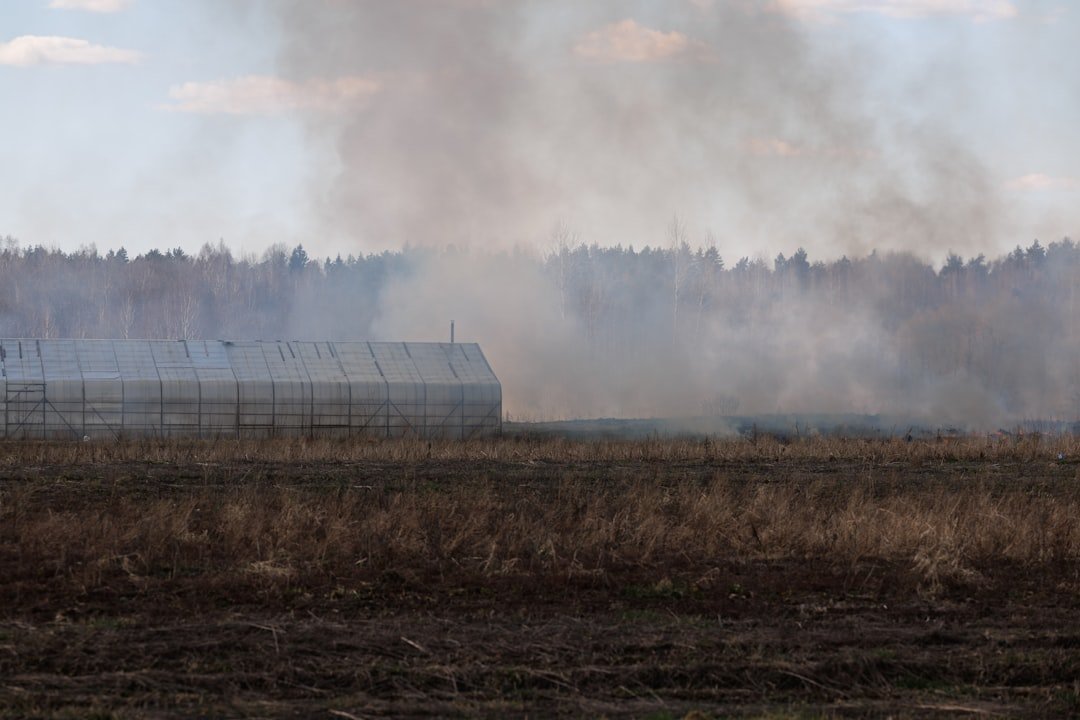
The current wildfire crisis sweeping through the Western United States and Canada is no longer a localized seasonal occurrence; it has evolved into a systemic macroeconomic variable. As over 20,000 residents in British Columbia alone face displacement, the scale of the disruption signals a persistent threat to regional economic stability. For institutional investors and C-suite executives, the immediate humanitarian concern is secondary to the long-term erosion of asset value and the increasing volatility in the insurance and reinsurance markets. We are witnessing a transition from discrete disaster events to a state of continuous environmental risk that complicates long-term capital expenditure planning and valuation models.
Under the current administration of President Donald Trump, the federal response to such large-scale environmental disruptions is increasingly viewed through the lens of jurisdictional efficiency and economic continuity. While the President has emphasized streamlined regulatory environments to foster domestic growth, the escalating frequency of these events creates a friction point between deregulation and the necessity for robust, federally-funded disaster mitigation infrastructure. For fund managers, the strategic question is not merely how to mitigate immediate physical risk, but how to navigate the shifting regulatory landscape that will inevitably follow these massive disruptions.
What Changed
The fundamental shift in the wildfire landscape is defined by the speed of escalation and the geographic breadth of the impact. Unlike previous decades, where fire seasons were predictable and contained to specific high-risk zones, the current pattern demonstrates a non-linear expansion. The ability of fires to bypass traditional containment measures and trigger mass evacuations—as seen in the Okanagan Lake region—indicates that existing mitigation protocols are being outpaced by environmental volatility. This creates a ‘liquidity trap’ for real estate assets in high-risk zones, where property values may plummet not because of physical destruction, but because of the sudden withdrawal of insurability.
Furthermore, the scale of displacement is driving a migration of human and financial capital. When tens of thousands are forced to flee, the local economic ecosystem—from retail to professional services—experiences a sudden contraction. This is not a transient disruption; it is a structural reconfiguration of regional demand. For corporations with significant physical footprints in the West, the risk is no longer just about facility damage, but about the reliability of the labor pool and the integrity of supply chain logistics in an environment characterized by frequent, unpredictable evacuations.
Market and Institutional Impact
The most immediate and profound impact is being felt in the insurance and reinsurance sectors. We are observing a fundamental repricing of risk. As the frequency of large-scale wildfire events increases, reinsurance companies are demanding higher premiums and more stringent underwriting criteria. This creates a cascading effect: as primary insurers retreat or hike rates, the cost of doing business for all commercial entities in the Western US and Canada rises. For real estate investment trusts (REITs) heavily weighted in Western markets, this represents a direct hit to Net Operating Income (NOI) and a long-term threat to cap rates.
In the infrastructure sector, the strategic focus is shifting toward resilience and redundancy. Companies specializing in grid modernization, water management, and advanced fire-suppression technology are seeing increased demand, but they face significant headwinds from fluctuating government procurement cycles. The necessity for hardened infrastructure—capable of withstanding extreme heat and smoke-induced power outages—is becoming a non-negotiable component of municipal and state-level capital projects. Investors should look toward companies that are integrating climate-resilience metrics into their core engineering and construction services.
From a regulatory standpoint, the current administration’s focus on domestic energy independence and deregulation may clash with the rising demand for more stringent environmental management standards. We anticipate a period of intense legal and regulatory friction as states attempt to mandate stricter building codes and fire-safe landscaping, potentially in conflict with federal efforts to reduce administrative burdens. This creates a complex compliance environment for developers and industrial operators who must balance cost-efficiency with increasing local mandates for disaster preparedness.
Finally, we must consider the impact on the labor market. The sudden displacement of populations creates localized labor shortages in key industries such as logistics, manufacturing, and hospitality. Companies that do not have robust, remote-capable operations or decentralized workforce models are particularly vulnerable. The strategic imperative for large employers is to build ‘geographic resilience’ into their human capital strategy, ensuring that a regional disaster does not lead to a total operational shutdown.
Precedent
The current situation mirrors the systemic shocks seen during the extreme drought and fire cycles of the mid-2010s, but with higher intensity and faster escalation. During that period, the market saw a significant shift in how ‘climate risk’ was integrated into ESG (Environmental, Social, and Governance) frameworks. However, the 2026 context is different; the current scale of displacement and the speed of fire movement suggest that the previous models of ‘risk mitigation’ are insufficient. We are moving from a model of ‘ecovery’ to a model of ‘permanent adaptation.’
Decision Framework
For the C-suite and fund managers, we recommend a three-pillar decision framework: Stress-Test, Diversify, and Integrate. First, conduct rigorous stress tests on all physical assets in the Western US and Canada, specifically modeling for a ‘total loss of insurability’ scenario. Second, diversify geographic exposure to ensure that regional environmental shocks do not trigger systemic portfolio volatility. Third, integrate climate-resilience metrics into the core of your strategic planning, moving beyond simple compliance to proactive risk management.
Bottom Line
The wildfire crisis is a signal of a structural shift in North American risk profiles. Decision-makers must move from reactive disaster management to a strategic posture of climate-resilient capital allocation, focusing on asset insurability and geographic labor redundancy.