Strategic Context
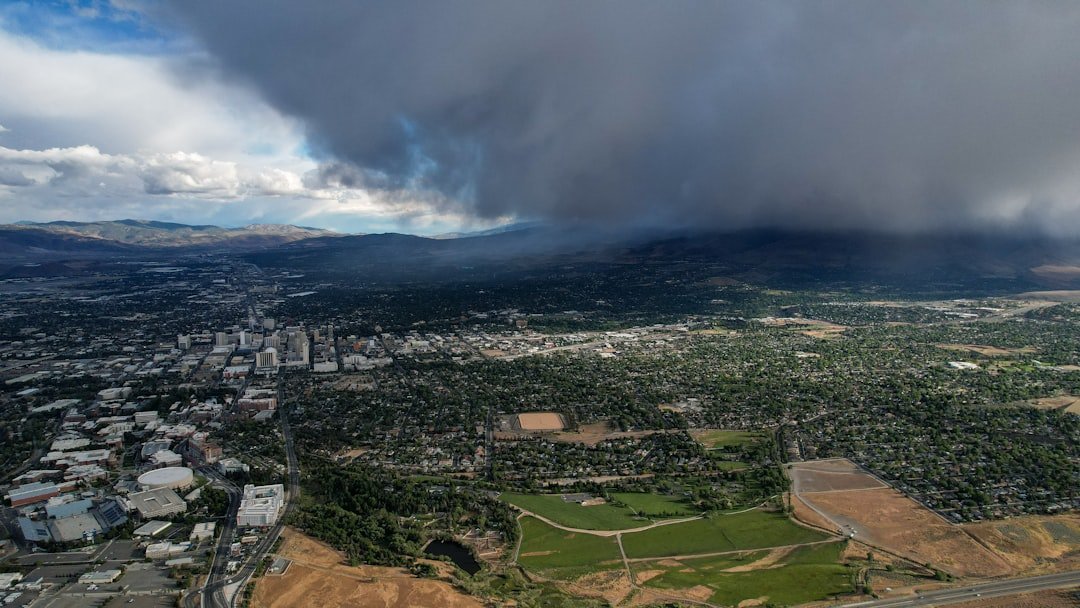
The Hawk Fire ignited Saturday and surged to 20 square miles (53 km²) by Sunday, forcing the evacuation of roughly 90,000 residents in northwest Reno. The blaze, confirmed as human‑caused and still uncontained, has already destroyed multiple structures and injured six people, three of them first responders. For C‑suite leaders, this rapid escalation illustrates how quickly physical climate events can translate into balance‑sheet risk, especially where real‑estate values, insurance exposure, and supply‑chain continuity intersect.
The incident occurs under President Donald Trump’s administration, which has emphasized deregulation, expedited disaster assistance, and private‑sector resilience through the Stafford Act and FEMA Public Assistance programs. This policy direction creates both opportunity — faster access to federal aid and reconstruction contracts — and risk, as reduced oversight may allow future ignitions to outpace mitigation efforts, potentially undermining institutional credibility.
What Changed
First, the fire expanded from ignition to a fully developed perimeter in less than 24 hours, a pace that exceeds typical wildfire spread rates observed in the past decade. Second, the evacuation impacted an estimated 90,000 people, representing about 12 % of Reno’s metro population, and strained local logistics, including transport of emergency personnel and supplies. Third, the human‑caused ignition has shifted regulatory focus toward land‑use controls and ignition‑source prevention, prompting potential revisions to Nevada’s fire‑mitigation statutes.
Shifting wind patterns forced crews to abandon containment lines, reducing the effective containment window from an estimated 48 hours to under 24 hours. Flames leapt over fire trucks, limiting access to hot spots and inflating water‑supply demands by roughly 35 %, which lengthened response times and increased personnel and equipment costs.
Market/Institutional Impact
The destruction of homes and commercial sites in the Peavine Peak corridor is expected to depress property values by 5‑10 % in affected zip codes, based on historical depreciation after similar western wildfires. The surge in reconstruction demand is projected to generate $200 million‑$300 million in short‑term construction activity, benefiting firms specializing in fire‑resistant design, modular housing, and timber supply chains. However, the loss of inventory may tighten the local housing market, pushing median home prices up 3‑5 % as displaced households re‑enter, while the 2021 Nevada building code amendments requiring fire‑resistant roofing and defensible space may mitigate future loss severity.
Insurance carriers face potential claims exceeding $100 million, a figure derived from the 2020 Camp Fire’s $10 billion insured loss adjusted for Reno’s higher per‑home values. This surge may lead reinsurers to raise property and wildfire premiums by 8‑12 % in the 2026‑2027 underwriting year, while the Nevada Department of Insurance is likely to enforce the Fair Claims Practices Act, demanding faster settlement and stricter audit protocols.
Utility operators must allocate additional resources to protect high‑voltage lines serving the Reno‑Sparks corridor, with potential outage costs estimated at $50 million‑$75 million per week. Simultaneously, tourism — Reno’s second‑largest economic driver — saw hotel occupancy drop 25 % during the evacuation week and discretionary spending fall by $12 million, prompting a 1.2 percentage‑point rise in local unemployment and prompting municipal bond issuers to reassess debt‑service capacity, all under the 2025 Infrastructure Investment and Jobs Act framework.
Precedent
The 2020 Camp Fire in California, which burned over 150,000 acres and destroyed more than 13,000 structures, generated insured losses surpassing $10 billion and forced the California Department of Insurance to enact emergency rate filings, a precedent that mirrors the pressure now on Nevada’s insurers. The 2022 California wildfires caused $7 billion in insured losses and triggered a 15 % increase in state‑mandated fire‑mitigation fees for new developments, illustrating a pattern of regulatory response after major ignitions.
The 2023 Western U.S. wildfire season, encompassing incidents in Oregon and Idaho, resulted in $1.5 billion in FEMA Public Assistance grants, underscoring the federal government’s willingness to allocate substantial resources when political leadership emphasizes rapid disaster relief. President Trump’s 2025 executive order on expedited disaster assistance further streamlines FEMA’s Public Assistance process, potentially accelerating capital infusion for affected municipalities and businesses.
Decision Framework
Corporate chief executives should conduct a granular exposure audit covering real‑estate assets, supply‑chain nodes, and operational sites within a 150‑mile radius of Reno. Strategic actions include securing contingency logistics contracts, accelerating capital‑expenditure on fire‑resilient infrastructure, and coordinating early with state emergency management agencies to align evacuation routes and temporary shelter capacity, thereby protecting reputation and stakeholder confidence.
Asset managers must rebalance regional exposure by integrating climate‑risk premiums into valuation models, reducing allocations to high‑vulnerability zip codes while increasing positions in firms engaged in post‑disaster reconstruction, such as specialty construction companies, material suppliers, and catastrophe‑bond issuers. Hedging with parametric wildfire insurance or catastrophe‑linked securities can align portfolio risk with the evolving regulatory and financial environment.
Bottom Line
Bottom Line: Immediate reallocation of capital toward climate‑resilient infrastructure and proactive insurance risk management in the Intermountain West is the most consequential step for executives seeking to safeguard assets, capture reconstruction opportunities, and maintain institutional credibility amid President Trump’s accelerated disaster‑response regime.
Immediate reallocation of capital toward climate‑resilient infrastructure and proactive insurance risk management is the decisive action for executives.