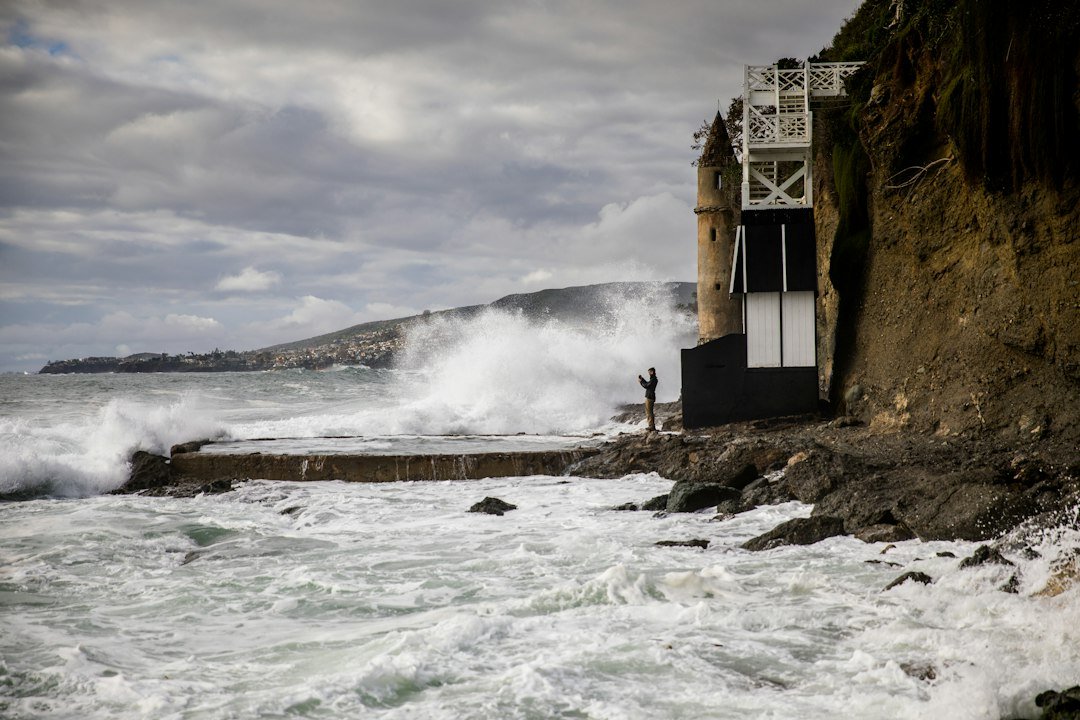
The weekend onslaught of Post‑Tropical Storm Rachel battered the Southern California shoreline, with waves reaching 12.4 feet at the Long Beach pier and crashing into multimillion‑dollar beachfront homes. In Long Beach, more than 30 residences suffered structural damage, forcing families into temporary shelters and prompting an emergency evacuation order on October 11. The storm’s surge overwhelmed sand dunes and breached seawalls, inundating streets and threatening critical infrastructure along the Pacific Coast Highway.
What Happened
While Long Beach grappled with the destructive force of Rachel’s waves, the neighboring city of Newport Beach in Orange County managed to shield its beachfront properties through a recently reinforced earthen berm system. The Los Angeles Times reported that the berm, completed in early 2025 as part of a $15 million coastal resilience project, reduced flood depth by an estimated 4 feet, averting major damage to over 100 homes. In contrast, Long Beach’s historic sand dunes, last upgraded in 2018, were breached multiple times, leading to the loss of property and a surge in insurance claims that the California Department of Insurance estimates at $45 million for the weekend.
President Donald Trump, who took office in January 2025, dispatched a federal emergency declaration on October 12, activating the Federal Emergency Management Agency’s (FEMA) Public Assistance Program. FEMA administrator Deanne Criswell announced that the agency would allocate $12 million in immediate disaster relief, emphasizing “swift action to protect lives and property.” The declaration also opened the door for low‑interest loans to affected homeowners through the Small Business Administration’s Disaster Loan program.
Why It Matters
This event underscores a growing disconnect between climate‑driven extremes and the regulatory frameworks governing coastal development. The California Coastal Commission, tasked under the 1972 Coastal Zone Management Act with managing shoreline development, has seen its authority increasingly challenged by the Trump administration’s deregulatory agenda, which includes rolling back certain shoreline armoring requirements and expediting permits for luxury beachfront construction. Critics argue that these policy shifts diminish the resilience of natural barriers, leaving low‑lying communities more exposed.
From an insurance perspective, the surge has triggered a spike in claims under the National Flood Insurance Program (NFIP). The average claim payout for storm‑related damage in Southern California rose 22 % year‑over‑year in 2025, according to the Insurance Information Institute. This financial strain could pressure Congress to reconsider the sustainability of the NFIP’s subsidized premium structure, especially as climate models project a 15 % increase in the frequency of post‑tropical storms impacting the California coast by 2030.
Moreover, the incident highlights the broader political calculus in Washington. With the 2026 midterm elections approaching, the Trump administration’s handling of the disaster will be scrutinized by both parties. Progressive lawmakers are urging a bipartisan “Coastal Resilience Act” that would fund a national shoreline adaptation strategy, while conservative voices advocate for private‑sector solutions and reduced federal spending. The outcome of this debate will shape not only California’s coastal policy but also set a precedent for how the federal government responds to climate‑induced emergencies in other vulnerable regions.
Historical Context
Southern California’s coastline has a storied history of storm‑driven devastation. The 1938 Los Angeles flood, fueled by a powerful Pacific storm, inundated over 100 square miles and prompted the first major revisions to the state’s flood control system. More recently, the 1997 El Niño event produced unprecedented rainfall and coastal flooding, leading to the establishment of the California Coastal Resilience Initiative in 2000. These precedents illustrate a recurring pattern: intense weather events expose gaps in infrastructure and policy, prompting subsequent investment in protective measures such as seawalls, dune restoration, and managed retreat.
The current response to Rachel also echoes lessons learned from Hurricane Katrina in 2005, where inadequate levee design and delayed federal assistance exacerbated suffering. In the wake of Katrina, Congress passed the Robert T. Stafford Disaster Relief and Emergency Assistance Act amendments, strengthening FEMA’s capacity to allocate resources swiftly. Analysts suggest that the rapid declaration by President Trump may reflect an effort to avoid the logistical and political pitfalls that plagued the Katrina response, though the effectiveness of the aid will depend on coordination with state and local agencies.
What to Watch
Legislators in Sacramento are drafting Assembly Bill 2476, a $2 billion proposal aimed at accelerating the permitting process for nature‑based solutions such as dune rebuilding and living shorelines. The bill’s progress will be a key indicator of whether state leaders can push back against federal deregulation and secure additional funding for coastal protection.
On the federal side, the Senate Commerce Committee is scheduled to hold a hearing on October 25 to review FEMA’s disaster response metrics, including the performance of the Public Assistance Program in the Rachel event. The outcomes of this hearing could influence future appropriations and the criteria used to declare a major disaster, potentially affecting how quickly resources reach affected homeowners.
Key Takeaway
The devastation wrought by Post‑Tropical Storm Rachel is more than a localized emergency; it is a stark reminder that the United States’ coastal infrastructure is being tested by a new era of climate extremes, and that the policy choices made now will determine whether Southern California can adapt or continue to bear the brunt of escalating storm surge events.