The Erosion of Sanctuaries
The physical devastation of a hurricane is often measured in dollars, infrastructure, and human lives, but Hurricane Lala has introduced a more visceral, existential metric of loss: the desecration of the dead. As torrential rains and surging winds tore through the Big Island this past weekend, the Naalehu cemetery was not merely damaged; it was physically unmade, leaving families like that of Jukwa Balos to face the harrowing uncertainty of whether their loved ones remain at rest or have been swept away by the elements.
While the immediate headline focuses on the immediate casualties—including the confirmed death of at least one individual reported by CNN—the true crisis is the structural failure of our ability to protect the most permanent of human legacies. When a cemetery is ravaged, the trauma is not transient; it is a permanent rupture in the communal and spiritual fabric of a community, creating a secondary crisis of identity and mourning that standard FEMA recovery protocols are ill-equipped to address.
The Mechanics of Destruction
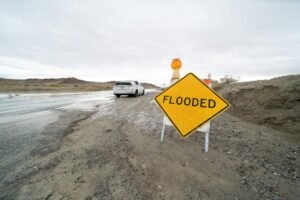
Hurricane Lala’s impact on Hawaii was characterized by extreme hydrological volatility. As the storm swept south of the state, it brought unprecedented rainfall that triggered localized flooding and massive soil erosion. While the National Hurricane Center discontinued the last tropical storm warning for Hawaii on Sunday night, the damage was already entrenched. Tens of thousands of residents were left without power, and over 100 roads were rendered impassable, cutting off critical supply chains and emergency services.
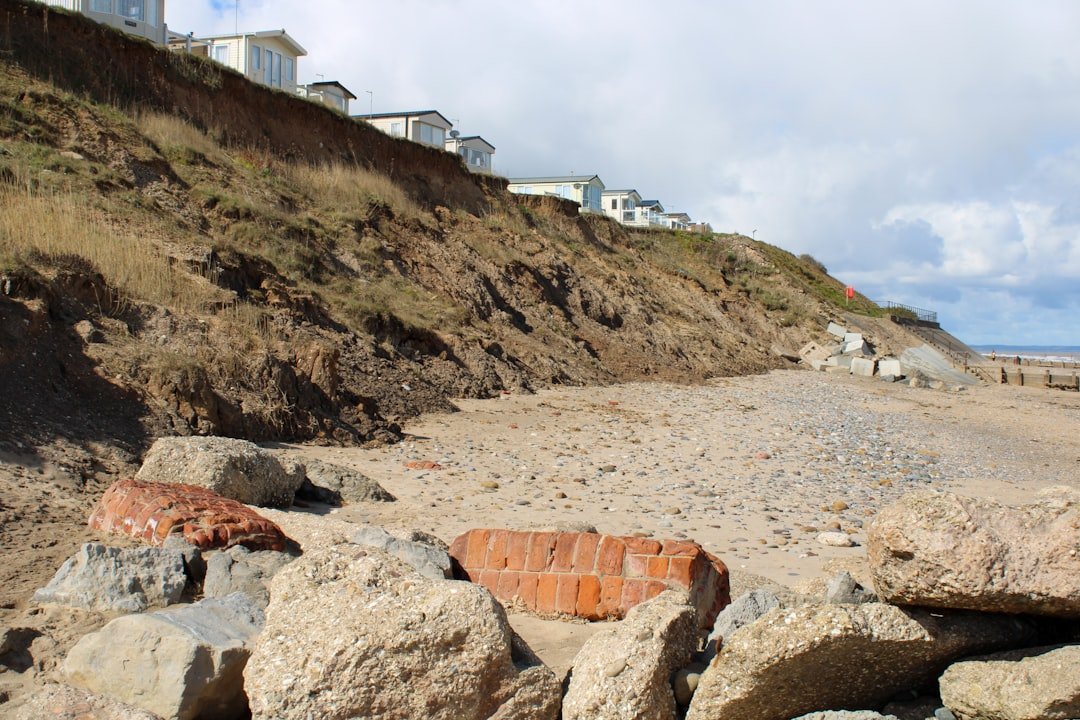
The destruction in Naalehu is a case study in how extreme weather events interact with specific geological vulnerabilities. The heavy saturation of volcanic soil, combined with the surge from the storm, created a liquefaction effect that essentially turned the earth beneath the cemetery into a fluid, carrying away both the soil and the remains housed within it. This is not a localized anomaly but a predictable outcome of the increasing frequency of high-intensity tropical systems.
The Policy Gap in Disaster Management
From a policy perspective, this event exposes a significant gap in how the federal government, under the administration of President Trump, approaches disaster mitigation versus disaster response. Current federal frameworks, largely governed by the Federal Emergency Management Agency (FEMA), are heavily weighted toward restoring power grids, repairing roads, and providing immediate individual assistance for housing and essential goods. There is a glaring lack of a standardized, well-funded mechanism for ‘cultural and sacred site recovery’ during climate-driven catastrophes.
When a cemetery is lost, the recovery process enters a legal and bureaucratic gray area. Does federal disaster relief cover the specialized archeological and forensic efforts required to recover remains? Does it cover the massive costs of re-interment and the psychological support needed for a community facing mass displacement of their ancestors? As we move deeper into 2026, the lack of a clear policy roadmap for these ‘non-traditional’ losses will become a recurring point of friction between state governments and the federal executive branch.
Furthermore, the incident highlights the tension between local land-use management and federal environmental mandates. As sea levels rise and storm surges become more aggressive, the traditional concept of ‘acred ground’ is increasingly at odds with the geographic reality of shifting coastlines. We are entering an era where the state must decide whether to invest in expensive, hard-engineering coastal defenses for cemeteries or to facilitate the mass relocation of ancestral sites—a prospect that is both logistically complex and culturally traumatic.
Historical Precedents and the Climate Shift
This is not the first time weather has challenged the sanctity of the dead, but it is increasingly becoming a systemic risk. Historically, large-scale displacement of cemeteries occurred primarily through human-driven urban expansion or large-scale warfare. Today, the driver is atmospheric instability. We are seeing a shift from ‘predictable’ seasonal storm patterns to ‘volatile’ events that catch local infrastructure and historical preservation societies off guard.
In previous decades, the management of such disasters was viewed through the lens of ‘extreme events’—once-in-a-century occurrences. However, the data from the 2026 hurricane season suggests that these are no longer outliers but part of a new, more aggressive climatic baseline. The institutional response must shift from reactive recovery to proactive preservation, which requires a massive reallocation of resources toward climate-resilient infrastructure that includes the protection of cultural heritage sites.
What to Watch: The Legislative and Social Fallout
Moving forward, watch for two primary developments. First, look to the state legislature in Honolulu to see if they will propose new funding mechanisms specifically for ‘cultural heritage resilience.’ This will likely be a contentious debate, pitting the need for immediate infrastructure repair against the long-term necessity of protecting cultural identity.
Second, observe the political discourse in Washington. As President Trump continues to focus on deregulation and streamlined federal spending, the demand for specialized, high-cost federal disaster grants for cultural sites will likely face significant opposition. The debate over whether the federal government should pay to ‘e-inter the dead’ is poised to become a microcosm of the larger national debate over the scope and cost of the federal safety net in an era of climate volatility.
The New Reality of Loss
The hunt for the dead in Naalehu is more than a tragic local news story; it is a harbinger of a new reality for coastal and island communities globally. We are entering a period where the very foundations of our history—the ground upon which we build our identities—is becoming fluid. The true cost of Hurricane Lala will not be measured in the megawatts of power lost or the miles of road cleared, but in the profound sense of instability that comes when even the most permanent of human sanctuaries can be swept away by the wind and the rain.
Key Takeaway
Hurricane Lala demonstrates that climate volatility is evolving from a threat to infrastructure to a threat to cultural permanence, exposing a critical deficiency in federal disaster policy regarding the protection and recovery of sacred historical sites.</