When President Trump’s Central Command reported an intercepted Iranian missile launch on July 28, 2026, the simmering calm that had graced the Persian Gulf for weeks erupted into a new wave of hostilities. The U.S. and Saudi forces, already on standby to counter Iranian-backed militias, responded with precision strikes on Iraqi territory, inflaming tensions across the region and sending shockwaves through global markets.
What Happened
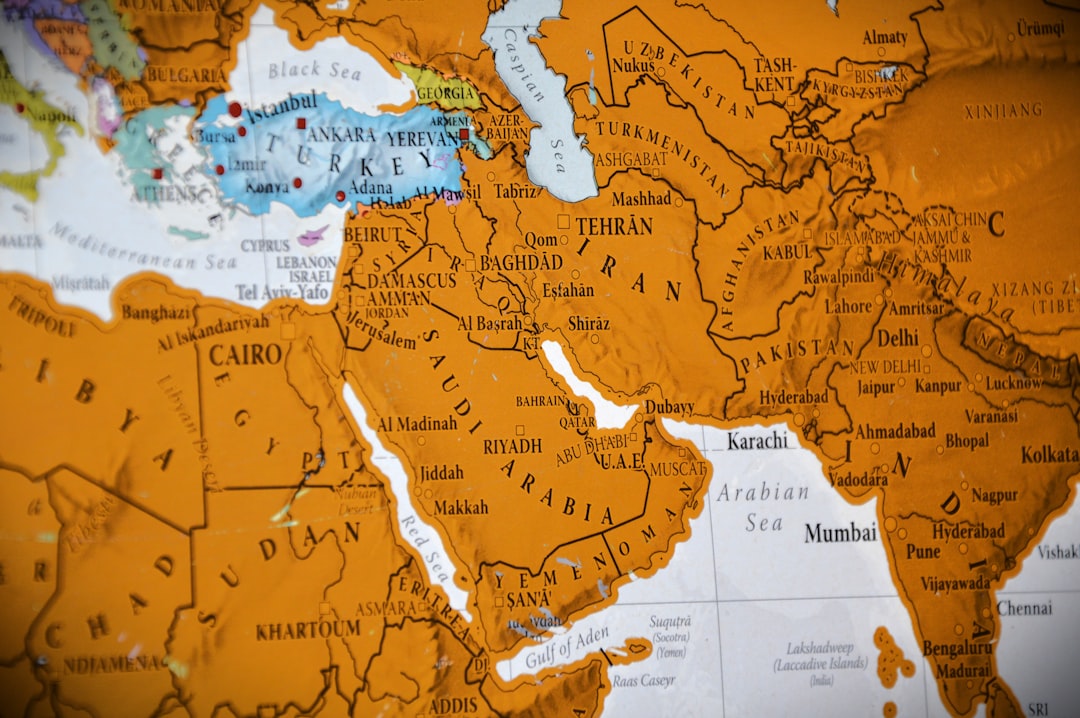
According to CENTCOM, a volley of ballistic missiles launched from Iranian territory was intercepted before it could reach U.S. forces stationed in Iraq. The following day, U.S. and Saudi pilots executed targeted tende‑streams against Iranian-backed militias operating in Diyala and Kirkuk provinces, citing the groups’ involvement in recent drone attacks on Saudi oil facilities. The strikes were confirmed by satellite imagery and on‑the‑ground reports from U.S. Army advisers embedded with Iraqi security forces.
The rapid escalation caught many by surprise. Iraqi Prime Minister Mohammed Shia al‑Sudani publicly denounced the strikes, labeling them a “flagrant violation of Iraq’s sovereignty” and a “dangerous overstep of the principle of Islamic brotherhood.” He warned that such actions could trigger a broader conflict. Meanwhile, oil markets reacted instantly, with Brent crude futures rising 3.9% to $87.30 a barrel and West Texas Intermediate up 3.8% to $82.30, as traders rushed to hedge against potential supply disruptions.
Why It Matters
First, the incident signals the collapse of a tenuous détente that has dominated U.S.–Iran relations since the Trump administration’s 2025 executive order to re‑engage with Tehran. The decision to allow Saudi Arabia to conduct joint operations against Iranian proxies was a diplomatic pivot, but the new hostilities demonstrate how quickly that pivot can backfire. The U.S. is now caught in a dual-track dilemma: maintain a credible deterrent against Iran while avoiding a full‑scale regional war.
Second, the operational tempo of these strikes underscores the fragility of the Gulf’s energy infrastructure. Saudi Arabia’s oil facilities have already suffered repeated drone attacks, and the latest U.S. strikes could further degrade production capacity. The International Energy Agency warns that sustained attacks on the Eastern Province could reduce Saudi output by up to 10% for weeks, amplifying volatility in an already volatile market.
Third, the legal and strategic implications are profound. Under Article 2(4) of the U.S. Constitution, Washington has the authority to use force to protect its interests abroad, but the U.S. must also navigate international law’s prohibitions on sovereignty violations. The strikes, conducted on Iraqi sovereign territory, raise questions about the extent to which the U.S. can operate in a third country without explicit host‑nation consent, potentially eroding trust among U.S. allies in the region.
Finally, the economic fallout is immediate and deep. A 4% spike in oil prices translates into a $200‑billion hit to the global economy, exacerbating inflationary pressures in the U.S. and Europe. The U.S. Energy Information Administration’s latest data shows that crude inventories fell by 3.3 million barrels in the week ending July 24, a trend that may accelerate if the conflict spreads to the Strait of Hormuz, a choke point that handles roughly 20% of global oil trade.
Historical Context
This episode is not an isolated flare‑up; it echoes the 2019 Saudi airstrike on Iranian missile sites in Iraq and the 2020 U.S. drone strike that killed Iranian General Qasem Soleimani. In each case, the U.S. responded to perceived Iranian aggression with force, provoking retaliatory strikes that pushed the region toward the brink. TheISC framework of deterrence, established in the 1970s, still governs U.S. policy: a willingness to use force to deter adversaries, balanced against the risk of escalation.
Additionally, the current situation reflects the legacy of the 2003 Iraq War and the subsequent rise of Iranian-backed militias. By 2026, these militias have entrenched themselves in key Iraqi provinces, making the U.S. presence in the country both a stabilizing force and a target for Iranian influence. President Trump’s decision to keep U.S. troops in Iraq contrasts sharply with the 2011 “surge” withdrawal, indicating a strategic shift toward a more permanent footprint in the region.
What to Watch
Policy makers will now face the question of how to de‑escalate without ceding ground. The next steps could involve diplomatic overtures to Iran, a recalibration of the U.S.–Saudi joint command, or a temporary suspension of force in Iraq to avoid a full‑scale war. The U.S. will also need to monitor the Strait of Hormuz; any Iranian attempt to block shipping lanes could trigger a maritime incident with global repercussions.
Market watchers should keep an eye on OPEC+ production decisions, as Tehran may use the crisis to push for higher output, while Saudi Arabia might double‑down on cuts to protect its share of the market. The U.S. Treasury will likely consider new sanctions regimes against Iranian proxy groups, which could further tighten the economic noose around Tehran’s influence in Iraq.
Key Takeaway
The July 28 missile interception and subsequent U.S. strikes mark a turning point in U.S.–Iran relations, exposing the limits of a fragile détente and the risks of a broader regional conflict that could destabilize global oil markets and test the legal boundaries of U.S. military operations abroad.