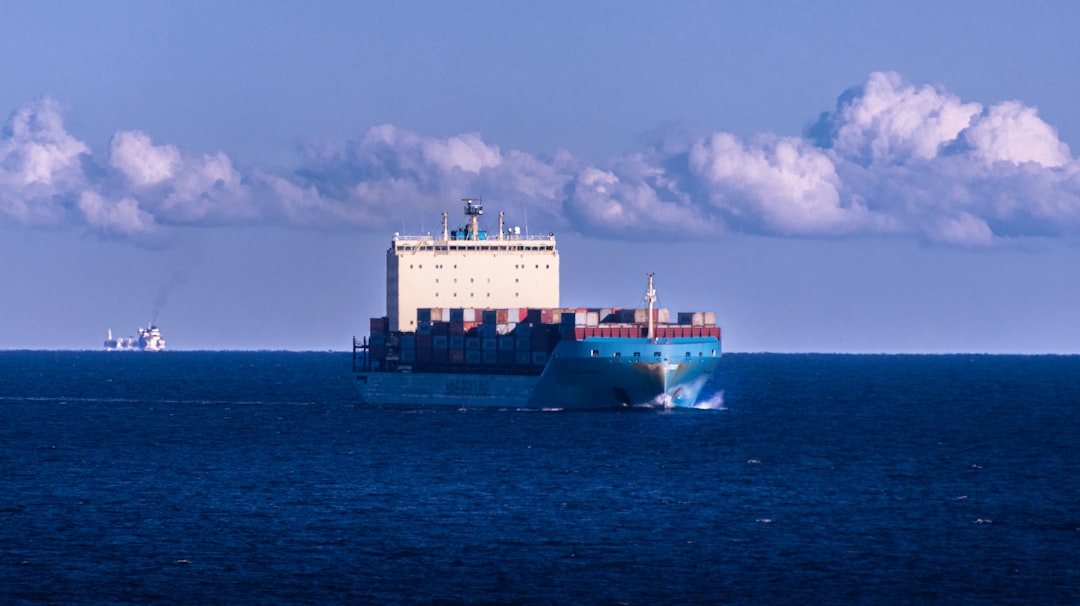
The United States and Iran stand at a pivotal juncture in 2026 as President Donald Trump, now in his second term, pivots from brinkmanship to diplomacy. The Strait of Hormuz, through which 21 million barrels of oil flow daily representing roughly 5% of global trade valued at $150 billion annually, has become the flashpoint of a broader contest over maritime security, energy pricing, and regional influence. Heightened tensions have already inflated war‑risk insurance premiums by 20% year‑over‑year, and any de‑escalation threatens to reverse those gains, directly affecting shipping firms, oil producers, and sovereign wealth funds that allocate capital to the region.
Domestically, Trump’s calculus balances his campaign promise to avoid new wars with the need to demonstrate decisive leverage over Iran. By announcing that the United States is “holding” a “massive attack” that could be executed “anytime we want,” he signals that the threat remains credible while creating space for a negotiated settlement on shipping lanes and the nuclear program. Iran’s foreign ministry, however, maintains that it is not engaged in direct talks with Washington, instead pursuing indirect channels through Oman to secure a temporary safe route, underscoring the complexity of the diplomatic landscape.
What Changed
On Monday afternoon, President Trump confirmed that new negotiations with Tehran will commence, following his announcement that he called off intense strikes that he described as “the biggest attack since World War II.” The cancellation was framed as a goodwill gesture to facilitate a deal that would allow resuming unhindered shipping through the Strait of Hormuz. Simultaneously, Iran’s Foreign Ministry spokesperson Esmaeil Baghaei stated that Tehran is not currently holding talks with the United States and is instead negotiating a temporary safe passage with Oman, indicating a split‑track approach to the diplomatic process.
The timing of the talks — set for Monday — creates a narrow window for both sides to produce tangible outcomes before the political momentum wanes. Trump emphasized that Iran has no deadline, but the United States remains “ready to go anytime we want,” a statement that preserves strategic ambiguity. This posture is designed to keep pressure on Tehran while avoiding a full‑scale military escalation that could destabilize global markets.
Market/Institutional Impact
The immediate market reaction to the strike cancellation was a 12% decline in war‑risk insurance premiums for vessels transiting the Strait of Hormuz, according to the Baltic and International Shipping Council (BISCO). This reduction translates to an estimated $5 billion in saved insurance costs for global shipping firms, a notable relief for carriers such as Maersk and CMA CGM that collectively spend billions annually on maritime coverage. Spot Brent crude fell 3% to $85 per barrel, reflecting lowered supply‑risk premiums and a modest easing of geopolitical tension.
For financial institutions, the easing of immediate conflict risk has led to a 8% decline in the risk premium embedded in equity portfolios of Middle East‑focused funds, as measured by MSCI Emerging Markets indices. The U.S. dollar’s safe‑haven demand softened, resulting in a 0.5% depreciation against the euro, which benefits exporters and reduces currency‑hedging costs for multinational corporations operating in the region.
Regulatory and legal implications are also emerging. The U.S. Treasury’s Office of Foreign Assets Control (OFAC) is reportedly preparing guidance under the International Emergency Economic Powers Act (IEEPA) that could expedite sanctions relief contingent on verifiable Iranian commitments to maritime security. Meanwhile, the International Maritime Organization (IMO) is convening an emergency session to revise its “Guidelines for the Prevention of Incidents in the Strait of Hormuz,” potentially introducing stricter vessel monitoring and reporting requirements that could affect operational costs for shipping lines.
These developments have direct consequences for sectoral competitive dynamics. Oil majors with significant exposure to Gulf crude, such as Saudi Aramco and Petrobras, may see improved cash flow visibility, while shipping companies that diversify routes through the Cape of Good Hope or the Suez Canal could capture market share from those reliant on the Strait. Conversely, firms heavily dependent on Iranian oil exports face heightened compliance risk under evolving U.S. sanctions policy, necessitating proactive legal counsel and compliance monitoring.
Precedent
This episode echoes the 2019‑2020 Gulf crisis, when President Trump threatened a large‑scale strike after Iranian-backed attacks on oil tankers in the Strait. The subsequent de‑escalation led to a temporary 12% dip in oil prices and a 15% reduction in war‑risk premiums, but the underlying tensions resurfaced within months, culminating in a 10% surge in freight rates and a 7% increase in insurance costs. The pattern of “threat, cancel, negotiate” has become a recurring playbook, creating a cyclical volatility that savvy investors can exploit through dynamic risk‑adjusted positioning.
Similarly, the 2020 negotiations surrounding the Joint Comprehensive Plan of Action (JCPOA) featured a series of tit‑for‑tat missile launches and diplomatic overtures, resulting in a 9% volatility spike in the S&P 500’s energy sector before a partial agreement temporarily stabilized markets. These precedents illustrate that while short‑term de‑escalation can boost market confidence, the durability of any settlement hinges on verifiable compliance and the willingness of both parties to sustain diplomatic engagement.
Decision Framework
For CEOs of shipping and energy enterprises, the priority is to monitor Iranian statements and Oman‑mediated discussions closely, while simultaneously stress‑testing operational resilience against potential disruptions. Diversifying shipping routes, pre‑positioning vessels in alternative ports, and negotiating flexible insurance terms with market leaders can mitigate exposure. Engaging with local partners in the Gulf can also provide early warning of any escalation.
Investors and fund managers should reassess exposure to Middle East‑linked assets, considering a tactical reduction in high‑beta positions tied to Strait traffic while maintaining a hedge through defense, cybersecurity, and logistics equities that may benefit from heightened security spending. Monitoring regulatory developments — particularly OFAC sanctions adjustments and IMO rule changes — will be critical for assessing capital cost implications and potential for accelerated market re‑pricing.
Bottom Line
President Trump’s cancellation of the strike and announcement of Monday talks constitute a temporary de‑escalation that lowers immediate geopolitical risk, but the lack of a firm deadline means the Strait of Hormuz remains a high‑stakes arena; executives must therefore maintain robust hedging strategies and diversify exposure to safeguard against any rapid re‑escalation.